2026 Top Trends in White Iron Castings You Need to Know?
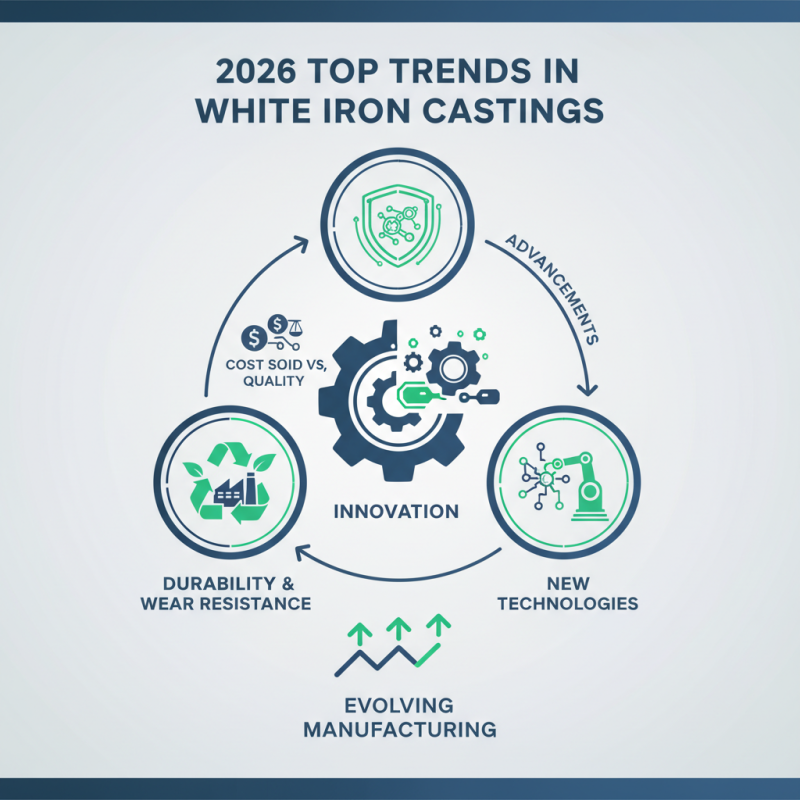
The world of manufacturing is always evolving, especially in the field of White Iron Castings. As we approach 2026, new trends are shaping this industry. Expert John Smith, a prominent figure in casting technology, emphasizes, "Innovation in materials and methods will define the future of White Iron Castings." This statement encapsulates the excitement and challenges that lie ahead.
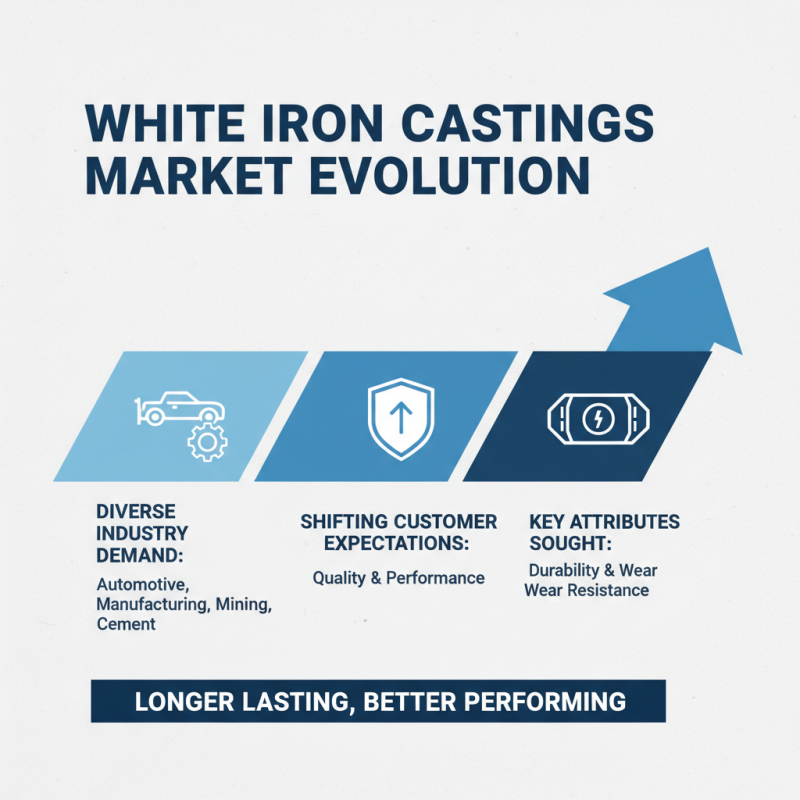
In the coming years, we are likely to see advancements in durability and wear resistance. Manufacturers are focusing on enhancing the performance characteristics of White Iron Castings. However, these innovations often come at a cost. Companies must balance quality improvements with their budgets. Moreover, the push for sustainability is leading to a reevaluation of traditional practices. The industry must grapple with its environmental impact.
New technologies will emerge, creating opportunities and obstacles. Companies may struggle to adapt, risking falling behind. White Iron Castings are essential in various applications, yet the road ahead is not without complexity. As we delve into the top trends, it’s crucial to reflect on the implications of these changes.
Emerging Technologies Enhancing White Iron Casting Processes in 2026
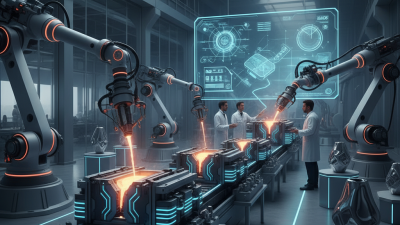
The landscape of white iron castings is evolving rapidly. Emerging technologies are shaping casting processes in 2026. Automation, artificial intelligence, and advanced materials are leading the way. These innovations enhance precision and reduce production costs.
One notable trend is the integration of AI into the design phase. AI algorithms can analyze complex designs and optimize them for better performance. This approach minimizes waste but requires skilled operators to interpret AI-generated designs. Mistakes can arise from over-reliance on technology.
Consider using 3D printing in your molding processes. This method allows for rapid prototyping and custom designs. It can significantly reduce lead times. However, it’s essential to evaluate the durability of printed molds. Traditional molds still have their place in production.
Investing in training for your team is crucial. New technologies can create a learning curve. Ensure your workforce is adept at using advanced tools. This investment can prevent costly errors and revitalizes workplace engagement. Innovation is beneficial, but a human touch is irreplaceable.
2026 Top Trends in White Iron Castings You Need to Know
| Trend |
Description |
Emerging Technology |
Impact on Industry |
| 3D Printing Innovations |
Advancements in 3D printing technology for creating complex white iron castings. |
Metal 3D printing techniques |
Increased design flexibility and reduced material waste. |
| AI and Machine Learning |
Use of AI algorithms to optimize casting processes and quality control. |
Predictive analytics |
Enhanced efficiency and reduced defects in casting products. |
| Smart Manufacturing |
Integration of IoT devices in foundries for real-time monitoring. |
Internet of Things |
Improved operational efficiency and reduced downtime. |
| Sustainable Practices |
Adoption of eco-friendly materials and recycling processes. |
Green casting technologies |
Reduction in carbon footprint and environmental impact. |
| Advanced Simulation Techniques |
Use of simulation software to predict casting behavior and outcomes. |
Computer-aided design (CAD) |
Greater accuracy in designs and reduced prototyping costs. |
Sustainability Practices in White Iron Casting for Eco-Friendly Production
Sustainability in white iron casting has become increasingly vital. More manufacturers are looking for eco-friendly production methods. The use of recycled materials is on the rise. It reduces waste and resource consumption. Scrap metal from various industries is being repurposed. This practice helps lower the environmental impact.
Efforts to reduce energy consumption are also crucial. Some manufacturers are investing in energy-efficient technologies. However, transitioning to green energy sources remains a challenge. Fossil fuels are still widely used. This reliance can hinder sustainability goals. Additionally, many foundries still struggle with waste management. Finding effective recycling solutions is essential.
Water usage must be addressed as well. White iron casting processes often require significant amounts of water. Implementing water recycling systems can help. But many facilities face barriers to these changes. Staff training and investment are necessary for success. Improvement is always possible, but it requires commitment and action.
Innovations in Alloy Composition for Superior White Iron Castings
The landscape of white iron castings is evolving. Innovations in alloy composition are leading the way. The introduction of novel alloying elements is enhancing the mechanical properties of castings. For instance, increased chromium content can improve wear resistance significantly. This adjustment makes castings suitable for various industry applications.
However, crafting the perfect alloy is not straightforward. Achieving a balance between hardness and brittleness can be challenging. Some experiments may lead to castings that are too brittle, failing under stress. Other combinations might not yield the expected strength. Continuous testing and feedback loops are essential in refining these compositions.
Recent trends show a shift towards incorporating elements like nickel and molybdenum. These additions can help tailor properties for specific applications in industries. Nonetheless, there is still much to learn. Many manufacturers face obstacles in optimizing these new materials for production scale. The future of white iron castings is promising, yet fraught with complexities.
2026 Top Trends in White Iron Castings
This chart illustrates the influence of various trends in white iron castings for 2026. Each category represents a different focus area, with scores indicating their level of influence on the market.
Future Applications of White Iron Castings Across Industries in 2026
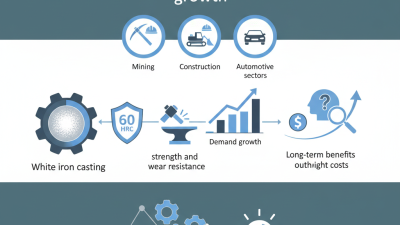
In 2026, white iron castings will play crucial roles across various industries. Their unique properties make them suitable for demanding applications. For instance, their high wear resistance is essential in heavy machinery. This feature extends the lifespan of components, reducing downtime.
The automotive sector will increasingly adopt white iron castings for brake pads and wear surfaces. A recent industry report suggests that the global automotive market for such castings could grow by 5% annually. This growth indicates a rising need for durable materials. However, manufacturers must address quality control issues to meet the increasing demands consistently.
Tips: Engage with suppliers early. Discuss the specifications needed for your projects. Ensure they understand your quality requirements. Collaborating with experienced manufacturers can minimize risks in production.
In the mining and construction industries, white iron castings are becoming vital. They meet the needs for robust machinery that can endure harsh conditions. Yet, challenges remain in optimizing melting processes. Efficiency in production is crucial. It's worth noting that many companies have faced issues adapting to new technologies. A careful approach to innovation and process improvement is essential.