Top 10 Advantages of Using Grey Iron Fittings in Industrial Applications
The industrial sector continuously seeks materials that not only enhance performance but also ensure reliability and cost-effectiveness. Among these, Grey Iron Fittings have emerged as a preferred choice due to their unique properties and versatile applications. This article delves into the top ten advantages of using Grey Iron Fittings in various industrial applications, highlighting their significance in modern manufacturing and construction processes.
In an era where efficiency and durability are paramount, Grey Iron Fittings stand out for their excellent castability, high wear resistance, and good machinability. These attributes make them ideal for a wide array of industrial contexts, from piping systems to heavy machinery components. Furthermore, Grey Iron's ability to dampen vibrations contributes to the longevity and stability of industrial equipment, making it an ideal material choice.
As industries evolve and the demand for sustainable solutions increases, the benefits of Grey Iron Fittings become even more apparent. This article will explore these advantages in detail, providing insights into how Grey Iron Fittings can enhance operational efficiency and reduce overall costs while meeting the rigorous standards of contemporary industrial applications.
Benefits of Durability: Why Grey Iron Fittings Outlast Other Materials
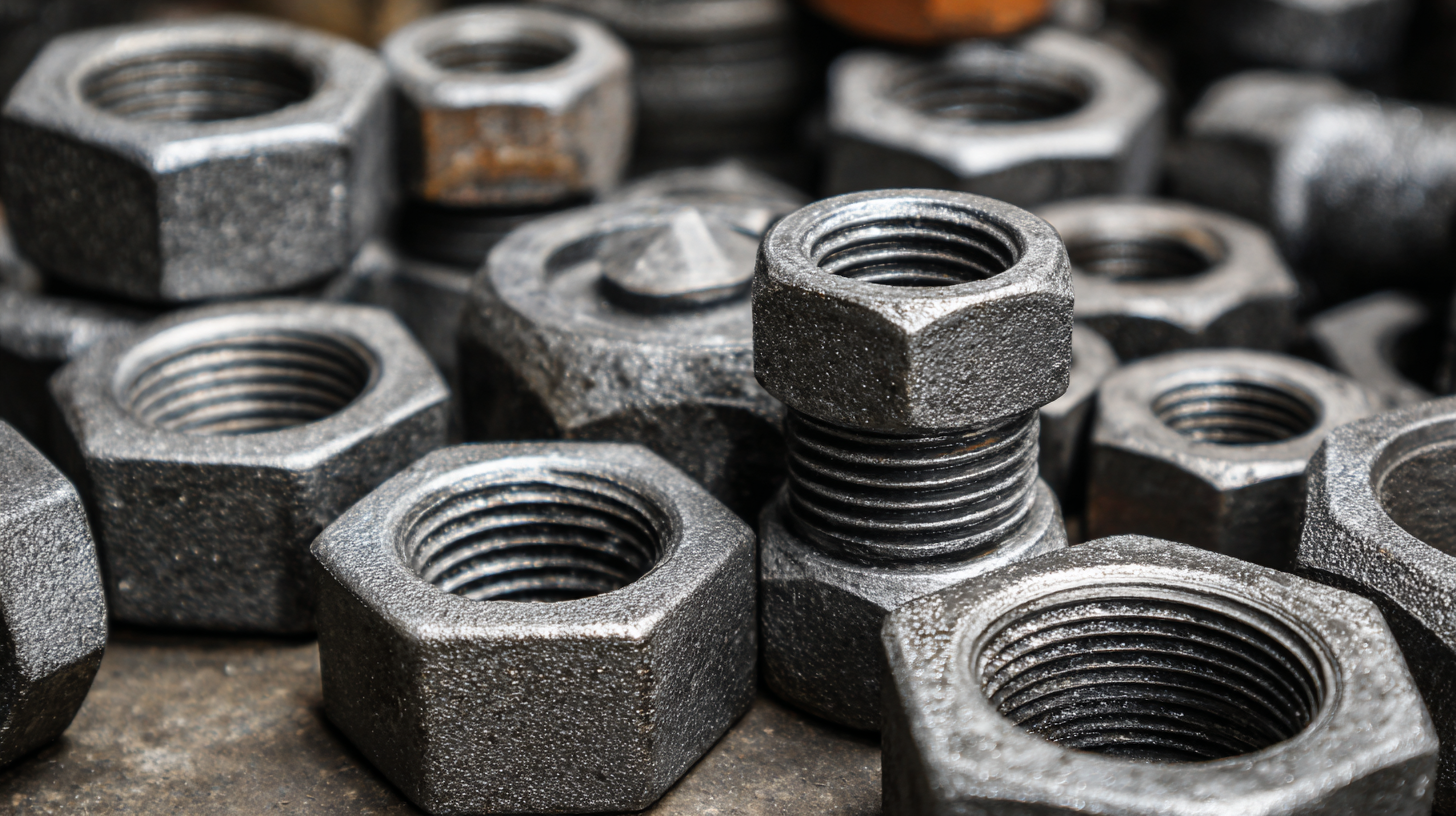 Grey iron fittings are well-regarded in industrial applications primarily due to their
exceptional durability. The inherent properties of grey cast iron, such as its ability to withstand high levels of stress and its resistance to
wear, make it a preferred choice for various demanding environments. Unlike other materials, grey iron exhibits remarkable tensile strength, allowing it to withstand heavy loads without
deforming. This resilience not only extends the lifespan of the fittings but also reduces the frequency of replacements, leading to
significant cost savings over time.
Grey iron fittings are well-regarded in industrial applications primarily due to their
exceptional durability. The inherent properties of grey cast iron, such as its ability to withstand high levels of stress and its resistance to
wear, make it a preferred choice for various demanding environments. Unlike other materials, grey iron exhibits remarkable tensile strength, allowing it to withstand heavy loads without
deforming. This resilience not only extends the lifespan of the fittings but also reduces the frequency of replacements, leading to
significant cost savings over time.
Moreover, the excellent shock absorption characteristics of grey iron contribute to its long-lasting performance. In industries where
vibrations and impacts are common, grey iron fittings can mitigate damage and maintain structural integrity more effectively than materials
like plastic or even some steels. Additionally, grey iron’s ability to resist corrosion in certain environments further positions it as a
superior choice. The combination of these factors results in fewer maintenance interruptions and enhanced operational efficiency, solidifying
grey iron fittings as a strategic asset in industrial applications.
Cost-Effectiveness: Save Money in the Long Run with Grey Iron Fittings
Grey iron fittings are increasingly favored in industrial applications due to their remarkable cost-effectiveness. One of the primary factors contributing to this advantage is the material's ability to withstand high levels of stress and pressure without significant wear and tear. This durability translates to a longer lifespan for grey iron fittings compared to alternatives, reducing the frequency and costs associated with replacements. In industries where operational downtime can lead to substantial losses, investing in grey iron fittings can result in considerable financial savings over time.
Additionally, the manufacturing process of grey iron is relatively straightforward and requires less energy than that of other metals. This efficiency not only lowers production costs but also enables manufacturers to pass these savings on to consumers. Businesses can benefit from using grey iron fittings without sacrificing quality, as they provide superior strength and resistance to corrosion. By opting for grey iron, companies can ensure they are making a financially sound decision that supports sustainability while also optimizing their operational budgets in the long run.
Top 10 Advantages of Using Grey Iron Fittings in Industrial Applications - Cost-Effectiveness: Save Money in the Long Run with Grey Iron Fittings
| Advantage |
Description |
Cost Savings (%) |
| High Durability |
Grey iron fittings resist wear and deformation under stress, resulting in lower maintenance costs. |
25% |
| Corrosion Resistance |
Better resistance to corrosion compared to other metals, prolonging lifespan and reducing replacement costs. |
30% |
| Lower Initial Cost |
Generally, grey iron is cheaper than alternatives like stainless steel, leading to lower upfront expenses. |
15% |
| Versatility |
Can be used in various applications, minimizing the need for multiple types of fittings. |
20% |
| Easy to Install |
Installation costs are reduced due to lightweight and user-friendly design. |
10% |
| Reduced Downtime |
Less frequent repairs or replacements lead to increased productivity and lower costs. |
40% |
| Good Castability |
Easily molded into complex shapes, reducing waste and manufacturing costs. |
12% |
| Thermal Conductivity |
Effective heat distribution prevents overheating, reducing energy costs. |
18% |
| Resilience to Impact |
Withstands sudden loads better than many materials, ensuring long-term reliability. |
22% |
| Sustainability |
Can be recycled at the end of its life, promoting sustainable industrial practices. |
5% |
Corrosion Resistance: Enhancing Longevity in Harsh Industrial Environments
Grey iron fittings are increasingly recognized for their exceptional corrosion resistance, making them a favored choice in harsh industrial environments. According to a recent industry report from the American Cast Iron Pipe Company, grey iron exhibits a lower corrosion rate than many other materials, ensuring the longevity and reliability of fixtures and pipelines. This attribute is crucial in sectors such as wastewater treatment and chemical processing, where exposure to aggressive substances can lead to significant wear and tear. By using grey iron fittings, industrial operators can significantly reduce maintenance costs and downtime.
Tip: Regular inspections of grey iron fittings can further enhance their lifespan. Look for signs of surface degradation that may indicate localized corrosion, and address any issues promptly to maintain the integrity of your installations.
In addition to its corrosion-resistant properties, grey iron’s thermal conductivity also plays a vital role in industrial applications. Industries relying on high-temperature processes can benefit from fittings that can withstand thermal cycling without degrading. The durability of grey iron, as noted in a study published by the Foundry Research Institute, provides a robust solution against cracking and failure, ensuring operational efficiency and safety.
Tip: When selecting grey iron fittings for high-temperature applications, consult manufacturers for specific thermal ratings to match your operational needs effectively.
Versatility in Applications: How Grey Iron Fits into Various Industrial Needs
Grey iron fittings are increasingly recognized for their versatility across various industrial applications, making them a go-to choice for engineers and manufacturers. One of the primary advantages of grey iron is its exceptional castability, which allows for complex shapes and designs to be easily produced. This flexibility enables the creation of components that fit a wide range of equipment and machinery, from automotive parts to construction fixtures. Moreover, the material's excellent damping properties absorb vibrations effectively, which is crucial in many industrial settings where noise and wear can significantly impact performance.
Additionally, grey iron's strength and durability make it suitable for high-load applications, ensuring a long service life with minimal maintenance. Its corrosion resistance, achieved through the graphite flakes in the cast structure, further extends its usability in harsh environments. This reliability is particularly valuable in sectors like manufacturing and infrastructure, where equipment failure can lead to costly downtimes. As industries continue to evolve, grey iron fittings will play a vital role in meeting diverse operational needs while providing cost-effective solutions for manufacturers.
Ease of Installation and Maintenance: Streamlining Your Industrial Processes
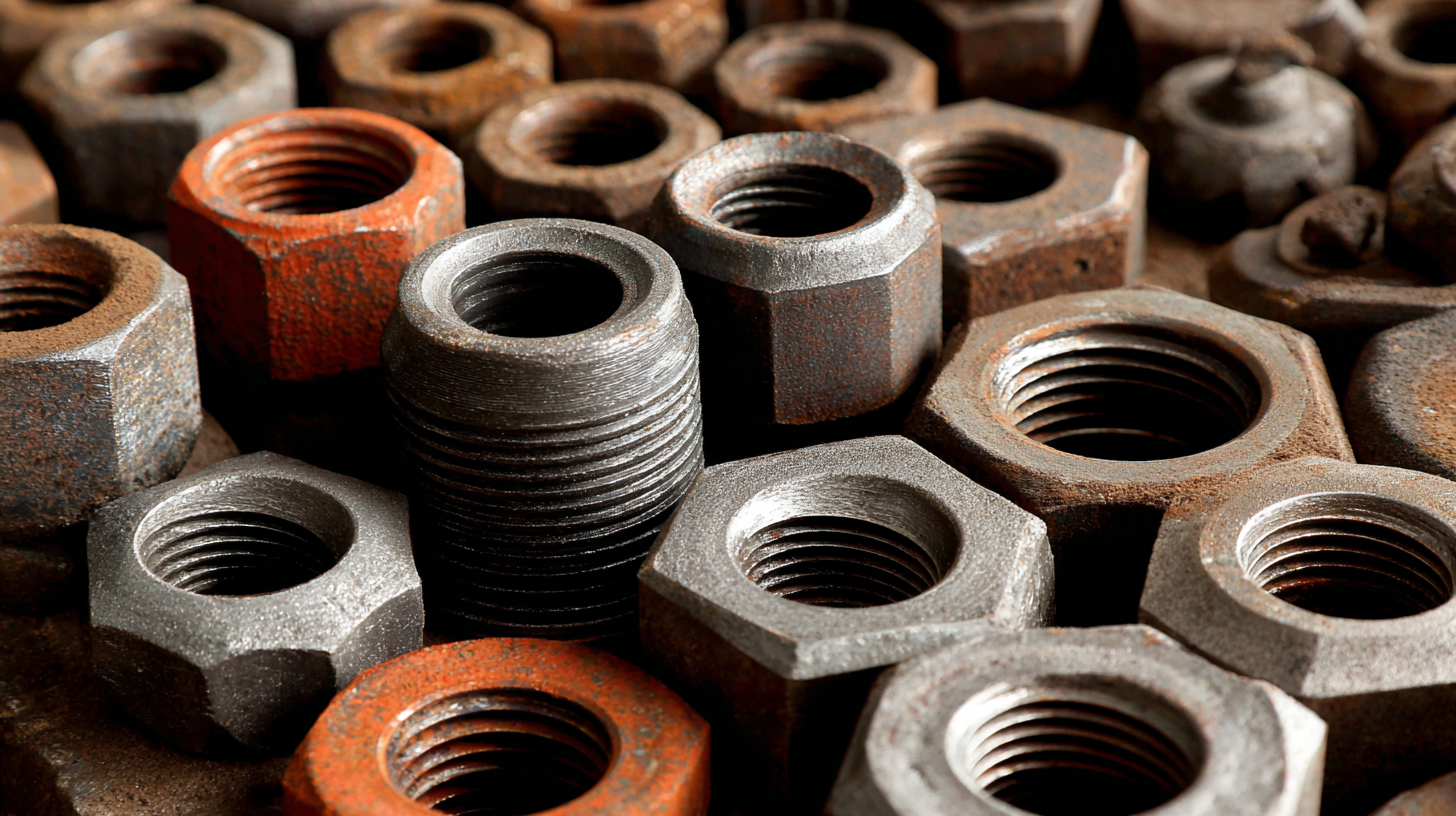
Grey iron fittings have gained considerable popularity in industrial applications, primarily due to their ease of installation and maintenance. These fittings are designed with user-friendly features that facilitate quick and efficient setup, allowing engineers and technicians to focus on their core tasks without unnecessary delays. The lightweight nature of grey iron fittings makes them manageable during handling and installation, reducing the physical strain on workers and speeding up the overall process.
Moreover, the smooth surface finish of grey iron fittings minimizes the risk of corrosion and wear, significantly reducing maintenance needs. This durability means that industries can rely on less frequent inspections and repairs, directing valuable resources and workforce efforts towards other critical areas of operation. By integrating grey iron fittings into industrial processes, companies can streamline their workflows, enhance productivity, and lower operational costs effectively.