What are the Benefits of Nickel Base Alloy for Global Buyers?
Nickel Base Alloy continues to gain momentum in various industries. Renowned expert Dr. Samuel Grant, a leading metallurgist, asserts, “Nickel Base Alloys are pivotal for high-performance applications.” This statement highlights the significance of these materials in critical sectors like aerospace, oil and gas, and chemical processing.
With their excellent corrosion resistance and mechanical strength, Nickel Base Alloys stand out in extreme environments. These alloys can withstand high temperatures and harsh conditions, making them ideal for demanding applications. Buyers worldwide benefit from their reliability, ensuring safety and longevity in operations.
However, the market can be complex. Selecting the right Nickel Base Alloy requires understanding specific project requirements. Different alloys possess unique properties and characteristics. Partners in this industry need expertise to navigate these choices. A careful assessment can lead to substantial savings and enhanced performance. Emphasizing collaboration with knowledgeable suppliers is crucial to achieving optimal results.

Overview of Nickel Base Alloys and Their Composition
Nickel-based alloys have garnered attention in various industries due to their unique composition and properties. These alloys primarily consist of nickel, along with elements like chromium, molybdenum, and cobalt. This combination enhances their performance in extreme environments. The presence of chromium improves oxidation resistance, while molybdenum boosts strength at high temperatures.
The diverse compositions of nickel-based alloys lead to specific benefits. For instance, they exhibit impressive corrosion resistance, making them ideal for chemical processing. Their ability to withstand high temperatures ensures longevity in applications like aerospace and power generation. However, the complexity of alloy compositions may lead to challenges in material selection. Buyers often need extensive knowledge to choose the right alloy for their needs.
Despite their advantages, nickel-based alloys are not without flaws. They can be more expensive than other materials. Additionally, processing these alloys may require advanced techniques. Industries should weigh these considerations carefully. Overall, understanding the detailed composition and characteristics of nickel-based alloys is essential for maximizing their benefits.
Benefits of Nickel Base Alloys for Global Buyers
This chart illustrates various benefits of nickel base alloys, showcasing their significance in key areas such as corrosion resistance, high-temperature strength, weldability, formability, and fatigue resistance. Each benefit is rated on a scale of 1 to 10, reflecting their importance for global buyers.
Key Properties of Nickel Base Alloys That Attract Global Buyers
Nickel base alloys have gained attention among global buyers due to their unique properties. One significant advantage is corrosion resistance. These alloys can withstand harsh environments, making them ideal for aerospace and marine applications. For manufacturers, this translates into lower maintenance costs over time.
Another important property is high-temperature strength. Nickel base alloys maintain their structural integrity at elevated temperatures. This makes them suitable for turbine components that operate under extreme conditions. When reliability is critical, choosing these materials can be a smart decision.
Tips: When considering nickel base alloys, assess the specific environmental conditions they will face. Understand the specific applications to ensure optimal performance. Testing samples in real-world conditions may reveal some unexpected challenges. Buyers should remain open to feedback and adjust material choices based on their findings. This flexibility can lead to improved selection processes and better product outcomes.
Industries That Benefit Most from Nickel Base Alloys
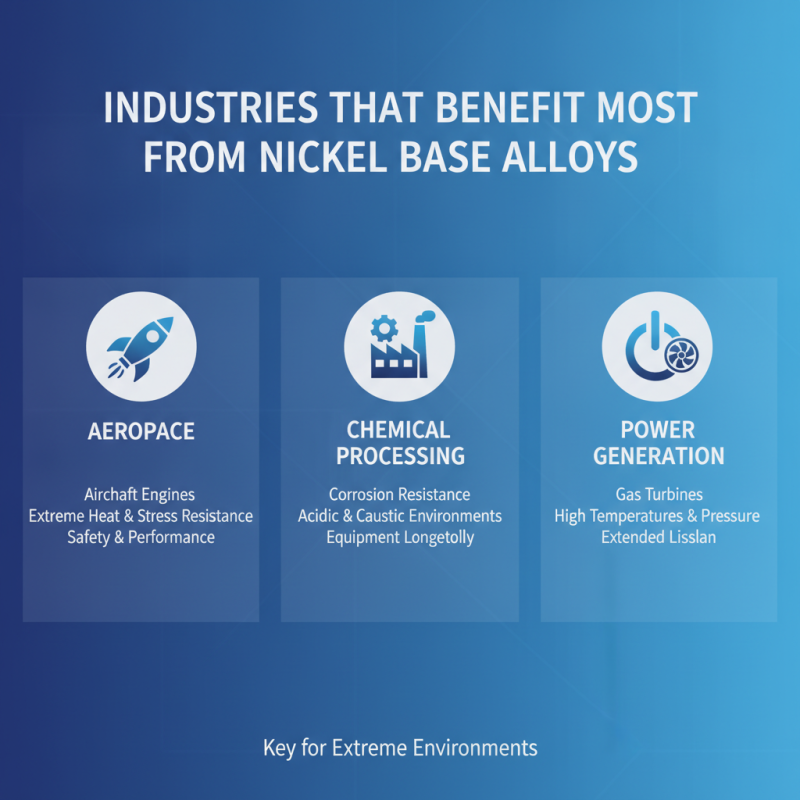
Nickel base alloys are crucial in several industries due to their unique properties. These alloys excel in extreme environments, offering high resistance to heat and corrosion. Aerospace is one sector that benefits greatly. Aircraft engines require materials that can withstand intense temperatures and stress. Nickel base alloys meet these demands, ensuring safety and performance.
The chemical processing industry also relies on these materials. Pipelines and reactors often operate under harsh conditions. Nickel base alloys can handle corrosive substances, thus prolonging equipment life. This reduces maintenance costs and enhances operational efficiency.
However, the use of nickel base alloys comes with challenges. The cost of these materials can be high, and their machining requires specialized skills. Not all manufacturers are equipped for this. Understanding these limitations is vital when considering nickel base alloys for projects. Expensive repairs or downtime can ensue if not. Knowledge and planning are essential for successful implementation in these industries.
Cost-Efficiency and Performance Advantages for Buyers
Nickel base alloys offer exceptional cost-efficiency and performance advantages for global buyers seeking durable materials for demanding applications. According to a 2021 report by Grand View Research, the nickel alloys market is projected to reach USD 29.1 billion by 2028, fueled by the growing demand in industries like aerospace and energy. The high strength-to-weight ratio of these alloys often translates into lower material costs per unit, making them an attractive choice for manufacturers.
Additionally, nickel base alloys are known for their resistance to extreme temperatures and corrosive environments. This quality prolongs the lifespan of components, reducing maintenance costs. A study from the Materials Research Society highlighted that components made from nickel alloys could last up to 50% longer than those made from conventional materials. This longevity in harsh conditions offsets initial investment costs while enhancing reliability in critical applications.
However, it’s essential for buyers to consider the initial procurement expenses. The upfront costs for nickel alloys can be higher compared to other materials. Yet, when factoring in lifecycle costs and performance reliability, many find the investment worth it. Continuous market fluctuations also pose challenges, pushing buyers to stay informed about pricing trends. Understanding these dynamics can significantly influence purchasing decisions and resource allocation strategies.
What are the Benefits of Nickel Base Alloy for Global Buyers? - Cost-Efficiency and Performance Advantages for Buyers
| Benefit |
Description |
Cost-Efficiency |
Performance Advantage |
| High Strength |
Nickel base alloys provide exceptional strength even in extreme temperatures. |
Reduces failure rates and minimizes replacement costs. |
Outstanding performance under load and high-temperature conditions. |
| Corrosion Resistance |
These alloys resist corrosion in harsh environments, prolonging equipment life. |
Lower maintenance and replacement costs over time. |
Consistent reliability and durability in corrosive applications. |
| Thermal Stability |
Maintains properties and strength in varying temperatures. |
Reduces operational costs by enhancing process efficiency. |
Effective for high-temperature applications, such as gas turbines. |
| Versatility |
Can be used in various industries, from aerospace to oil and gas. |
Reduction in need for multiple material types; streamlined sourcing. |
Adaptable to a wide range of critical applications. |
| Weldability |
Easy to weld without losing performance characteristics. |
Saves costs on fabrication and assembly processes. |
Ensures structural integrity in critical applications post-welding. |
Environmental Impact and Sustainability of Nickel Base Alloys
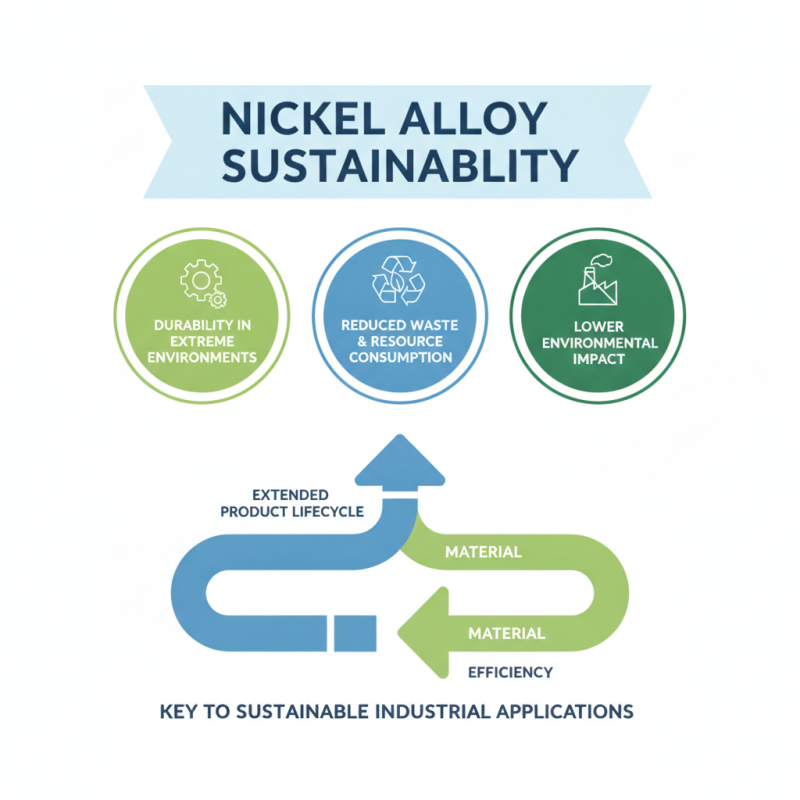
Nickel base alloys play a vital role in today's industries. Their unique properties contribute to sustainability efforts. They are often used in extreme environments, reducing the need for frequent replacements. This durability translates into less waste and lower resource consumption.
However, the environmental impact of nickel extraction cannot be ignored. Mining operations can lead to habitat destruction and pollution. It's essential to manage these practices responsibly. Utilizing recycled nickel in alloy production can mitigate some negative effects. This approach promotes a circular economy, benefiting both producers and buyers.
Sustainability in nickel base alloys is a multi-faceted issue. It requires collaboration among manufacturers, regulators, and consumers. Many industries are still learning to balance performance and environmental impact. Continuous innovation is necessary to enhance the eco-friendliness of these materials. Overall, awareness and responsibility are key as we navigate this complex landscape.