Best Carbon Steel Castings for Global Buyers?
Carbon Steel Castings play a vital role in various industries globally. These castings provide strength and durability, making them essential in manufacturing. According to recent studies, the global demand for carbon steel castings is projected to reach over $30 billion by 2025. This reflects a significant growth trend driven by the automotive and construction sectors.
However, despite their advantages, the industry faces challenges. Quality inconsistencies can arise during production. Some manufacturers struggle to meet the high standards required. This inconsistency can impact the performance and lifespan of the products. Therefore, it is crucial for buyers to be discerning when selecting suppliers for carbon steel castings.
Additionally, with increasing environmental regulations, the industry must adapt. Innovative methods in casting are essential to minimize waste and enhance sustainability. Buyers should prioritize companies that emphasize eco-friendly practices. In this evolving landscape, informed purchasing decisions are key to optimizing quality and performance in carbon steel castings.
Understanding Carbon Steel and Its Applications in Casting
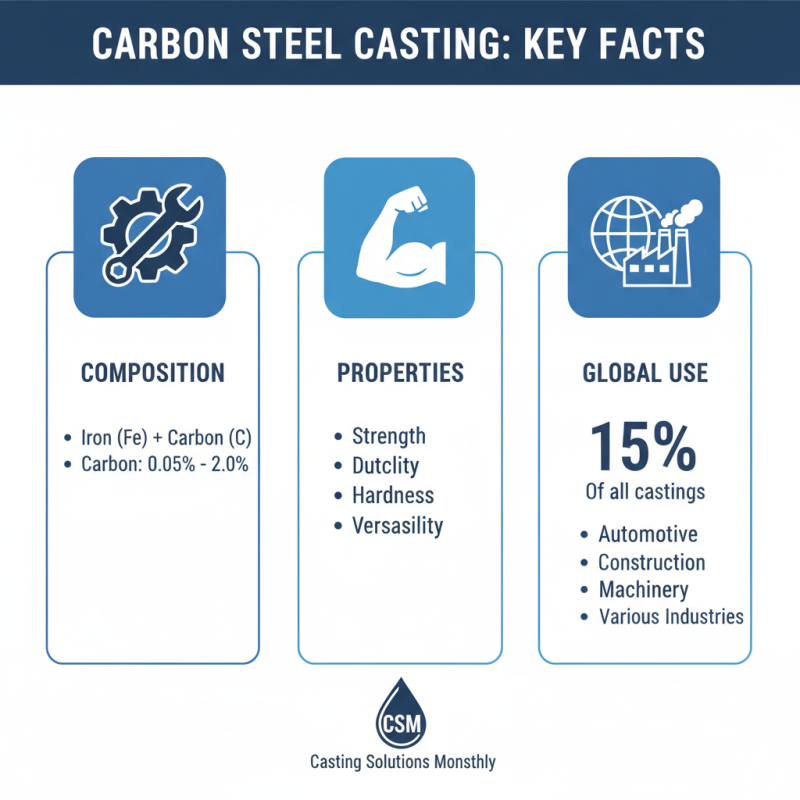
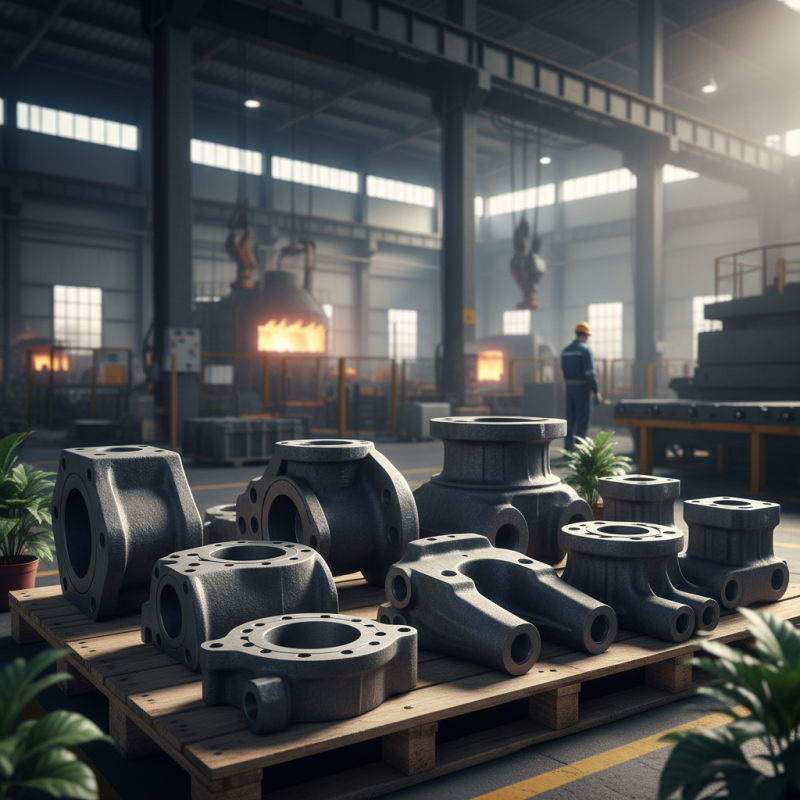
Carbon steel is a versatile material widely used in casting applications. Its composition, primarily comprising iron and carbon, lends it unique properties. Carbon percentages can range from 0.05% to 2.0%, affecting strength, ductility, and hardness. According to industry reports, carbon steel castings make up approximately 15% of all casting products worldwide. This figure highlights the material's popularity in various sectors, including automotive, construction, and machinery.
The applications of carbon steel castings are extensive. They are crucial in manufacturing gears, frames, and structural supports. For example, in the automotive industry, carbon steel components contribute to vehicle safety and performance. A study by the American Foundry Society indicates that castings account for about 30% of average vehicle weight. This statistic emphasizes the importance of selecting the right material for optimal functionality.
However, challenges exist in carbon steel casting. Contamination and defects can affect the final product quality. The American Foundry Society also notes that roughly 5% of castings face rejection due to quality issues. Understanding the intricacies of carbon steel and its casting processes is essential for buyers aiming to source reliable products. The delicate balance of properties requires careful consideration during production.
Key Features and Properties of High-Quality Carbon Steel Castings
When considering carbon steel castings, high-quality features are essential for performance. Carbon steel is known for its durability and strength. It excels in applications that require impact resistance. High-quality castings exhibit uniform grain structure, contributing to improved mechanical properties.
One key feature is tensile strength. It determines how much stress the material can withstand without deforming. A good tensile strength range improves the longevity of the casting. Hardness is another critical property. It affects wear resistance and ensures the casting retains its shape under pressure.
Tips: Always check the specification sheet. Look for certifications that verify quality standards. Understand the chemical composition, as different ratios of carbon influence properties. Small variations can lead to significant performance differences.
Additionally, inspect for surface quality. Flaws can indicate poor manufacturing processes. Surface imperfections may weaken the casting. Address these concerns before finalizing your purchase. It's essential to prioritize quality over cost. Cheap options might cost more in the long run.
Top Manufacturers of Carbon Steel Castings for Global Markets
Carbon steel castings have gained significant popularity in global markets due to their durability and versatility. These castings are crucial in various industries, including automotive, construction, and machinery. Many manufacturers specialize in producing high-quality carbon steel castings, each with unique capabilities and expertise. These companies prioritize precision, ensuring that each casting meets stringent quality standards, which is vital for customer satisfaction.
In the competitive landscape of manufacturing, companies must emphasize reliability. Skilled artisans and engineers utilize advanced technologies to optimize production processes. This ensures consistency and minimizes defects. Still, some manufacturers struggle with quality control, leading to potential issues in the final product. It is essential for buyers to evaluate the manufacturing procedures carefully.
Potential buyers should also consider the global supply chain dynamics. Certain regions may offer more competitive pricing, while others might provide specialized expertise. Navigating these options can be challenging. Buyers might discover that some manufacturers have innovative designs, while others focus on traditional methods. Understanding these differences can guide informed purchasing decisions.
Best Carbon Steel Castings for Global Buyers
| Manufacturer Location |
Annual Production Capacity (tons) |
Export Markets |
Specialty Products |
Quality Certification |
| North America |
50,000 |
USA, Canada, Mexico |
Heavy Machinery Components |
ISO 9001 |
| Europe |
30,000 |
Germany, France, UK |
Automotive Parts |
ISO 9001, AS9100 |
| Asia |
70,000 |
China, Japan, India |
Construction Equipment |
ISO 14001 |
| South America |
20,000 |
Brazil, Argentina, Chile |
Agricultural Machinery |
ISO 9001, OHSAS 18001 |
Considerations for Choosing the Right Carbon Steel Casting Supplier
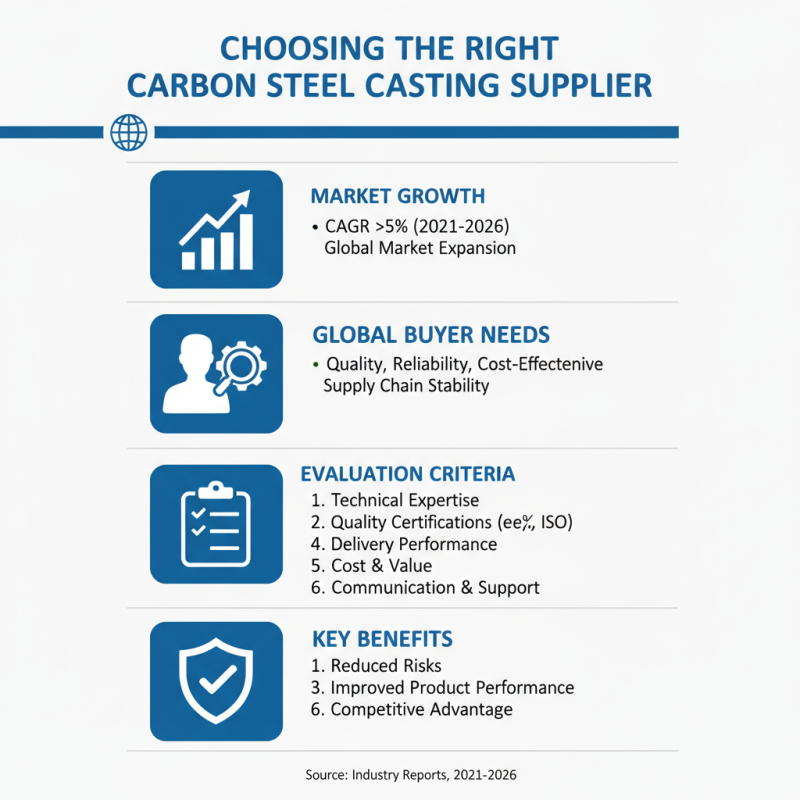
Choosing the right carbon steel casting supplier is crucial for any global buyer. Industry reports indicate that the market for carbon steel castings is expected to grow at a compound annual growth rate (CAGR) of over 5% from 2021 to 2026. This growth underscores the need for buyers to carefully evaluate their suppliers.
Key considerations include the supplier's industry experience. A supplier with a decade of experience may offer better quality assurance. Research shows that companies with solid reputations often use advanced manufacturing techniques, which can significantly affect the final product's durability and performance. Additionally, assessing a supplier's certifications, such as ISO standards, can provide insight into their commitment to quality control.
Communication and support are often overlooked yet essential factors. A responsive supplier can make a difference in troubleshooting issues quickly. According to surveys, buyers who prioritize effective communication report higher satisfaction levels. It’s also wise to inquire about the supplier’s production capacity. A mismatch in expectations can lead to delays and increased costs. This process requires reflection on specific needs and how well potential suppliers can meet them. Each decision must be backed by thorough research and realistic assessments.
Trends and Innovations in Carbon Steel Casting Production Techniques
The landscape of carbon steel casting is evolving rapidly, driven by technological advancements and changing market demands. Industry reports highlight that the global carbon steel casting market is expected to reach $25 billion by 2025. This growth reflects innovations in production techniques that enhance efficiency and product quality. New methods like precision casting and additive manufacturing minimize waste and improve material properties.
Recent studies reveal that more manufacturers are adopting automated systems. Automation not only boosts productivity but also reduces human error in casting processes. Enhanced simulations and real-time monitoring ensure better control over casting quality. However, some traditional methods are still prevalent, leading to variability in product outcomes. This inconsistency raises questions about best practices and long-term sustainability.
Emerging trends also show a shift toward eco-friendly practices. Carbon-neutral initiatives focus on reducing emissions and promoting recycling within the industry. While the innovations are promising, challenges remain. Balancing cost, quality, and sustainability is a pivotal concern for many companies. The future of carbon steel castings hinges on finding effective solutions to these complex issues.