How to Choose the Best Refractory Material for Your Project?
Selecting the right refractory material is crucial for the success of any high-temperature project. According to Dr. Emily Carter, a leading expert in refractory technology, “Choosing the right refractory material can make or break a project.” Her insight stresses the importance of understanding the specific needs of your application.
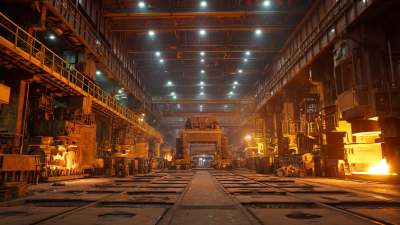
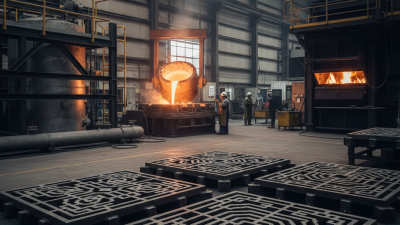
Refractory materials endure extreme temperatures and harsh conditions. These materials can impact efficiency, safety, and longevity. For instance, in the steel industry, inadequate refractory can lead to failures that disrupt production. Thus, careful selection is vital.
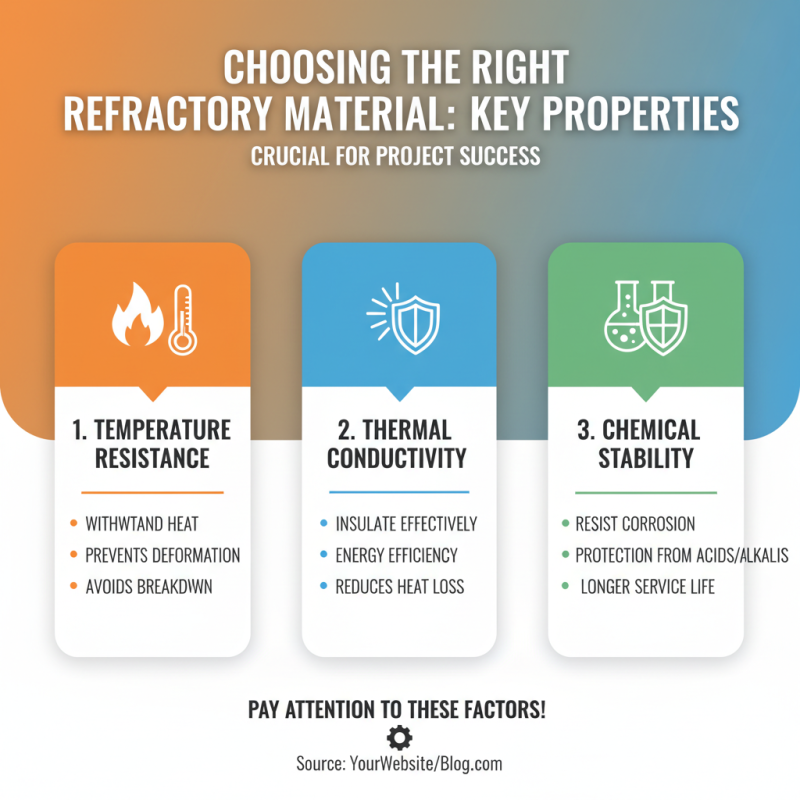
Different types of refractory materials exist, but not all will suit every application. Factors such as temperature resistance, chemical compatibility, and thermal shock resistance must be considered. The wrong choice could result in costly repairs or downtime. Therefore, always evaluate your options. Reflect on past decisions. Was the refractory material selected truly the best fit?

Understanding Refractory Materials: Definition and Types
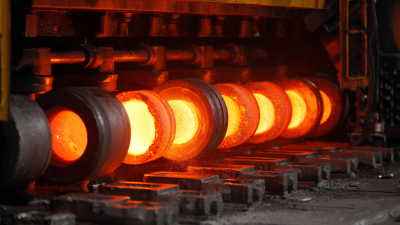
Refractory materials are crucial in high-temperature applications. They can withstand extreme heat without breaking down. Understanding these materials is essential for any project involving furnaces, kilns, or reactors. Their durability and thermal stability set them apart from standard materials.
There are various types of refractory materials. For instance, alumina refractories are known for their high melting points. They are ideal for metal processing industries. Magnesia refractories, on the other hand, offer excellent resistance to basic slag. Each type has its specific uses and limitations. Not all projects require the same material. This can lead to mistakes in selection that affect performance.
Considering the project’s requirements is key. Factors like temperature, type of chemicals, and stress levels come into play. Sometimes, it’s tempting to choose a material based solely on cost. This may result in unexpected failures down the road. Thorough research and practical testing often reveal the best options. An informed decision makes a significant difference in overall project success.
Assessing the Temperature and Chemical Resistance Needs
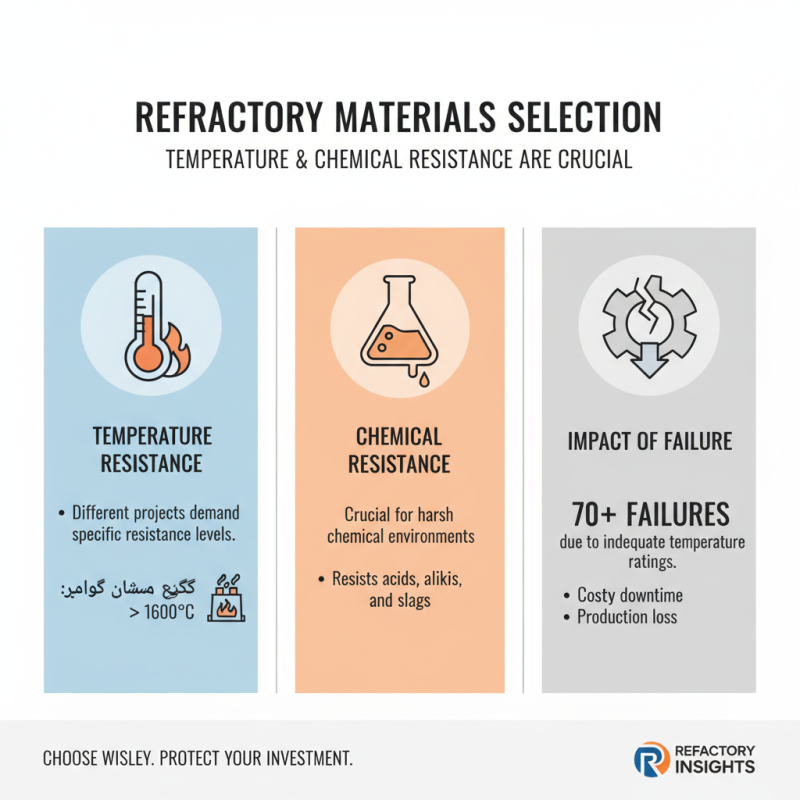
When selecting refractory materials, understanding temperature and chemical resistance is crucial. Different projects demand specific resistance levels. For example, certain industries require materials that can withstand temperatures above 1600°C. According to a recent industry report, over 70% of refractory failures are linked to inadequate temperature ratings. These failures often lead to costly downtimes, impacting production.
Chemical resistance is equally vital. Different processes involve various corrosive agents. A refractory material may resist high temperatures but fail when exposed to specific chemicals, such as sulfuric acid. A 2021 study published in the Journal of Materials Science noted that refractory materials could lose up to 50% of their strength when improperly matched with the chemicals in their environment. This mismatch raises questions: Are you analyzing your material’s full specifications? Are you prioritizing chemical stability alongside thermal properties?
In any project, it’s essential to evaluate both aspects thoroughly. Yet, many engineers overlook critical data. They may focus on one aspect, potentially compromising the entire application. The balance between temperature and chemical resistance is delicate. This equilibrium often results in significant cost savings and improved operational efficiency. Understanding your specific requirements is necessary for success.
Evaluating Durability and Maintenance Requirements
Choosing the right refractory material involves more than just initial costs. Durability plays a critical role. According to research by the American Ceramic Society, high-quality refractory materials can endure extreme temperatures, ranging from 1,200°C to 1,800°C, depending on their composition. This can significantly reduce the frequency of replacements, translating to long-term savings.
Maintenance should not be overlooked. A study from ASTM International highlighted that refractory linings require regular inspections. These inspections can identify wear and tear early, minimizing downtime. Ignoring maintenance can lead to catastrophic failures, making it essential to incorporate a structured maintenance plan into your project.
Additionally, understanding the life cycle of your chosen material is vital. Some refractories may need repairs every few months, while others last for years. Choosing a material with a longer lifespan might save money initially, but upfront costs can be higher. Balancing these factors requires careful planning and evaluation.
How to Choose the Best Refractory Material for Your Project?
| Material Type |
Temperature Resistance (°C) |
Chemical Resistance |
Thermal Conductivity (W/mK) |
Maintenance Requirements |
| High Alumina Brick |
1600 - 1800 |
Moderate |
20 - 30 |
Low |
| Magnesia Brick |
1600 - 2000 |
High |
5 - 8 |
Moderate |
| Silica Brick |
1400 - 1600 |
Low |
25 - 30 |
High |
| Carbon Brick |
1000 - 2000 |
Moderate |
40 - 60 |
Low |
| Zirconia Brick |
2200 |
High |
3 - 5 |
Very Low |
Cost-Benefit Analysis: Choosing Quality vs. Affordability
When selecting refractory materials, consider their cost-effectiveness. High-quality materials often come with a higher price tag. However, they can offer better performance and durability. Investing in superior materials may lead to significant long-term savings. Think about your project requirements carefully. Sometimes, the cheaper option can lead to more frequent repairs or replacements, ultimately increasing costs.
Evaluate your project needs versus budget constraints. It’s crucial to find a balance that suits both quality and affordability. For example, using less expensive materials might save money initially. But, the risk of failure or wear could prove costly down the line. A short-term gain can turn into a long-term headache. Even though cheaper products look tempting, always weigh the potential hidden costs.
In some cases, affordable materials may fulfill immediate needs. Yet, they might lack the performance needed for demanding applications. Consider factors like temperature resistance and thermal shock. Sometimes, it's best to choose wisely, even if it means stretching your budget. Quality should not be sacrificed at the altar of cost. Reflect on past projects to guide your decisions and avoid repeating mistakes.
Cost-Benefit Analysis of Refractory Materials