How to Choose the Right Manganese Steel Castings for Your Project?
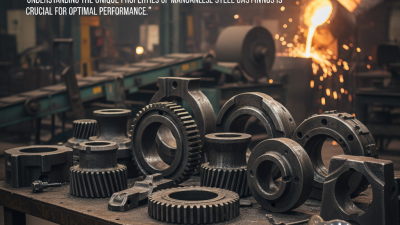
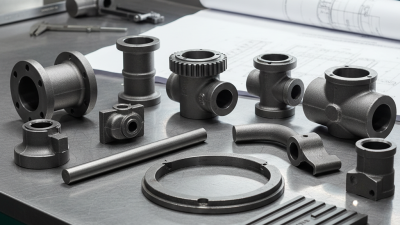
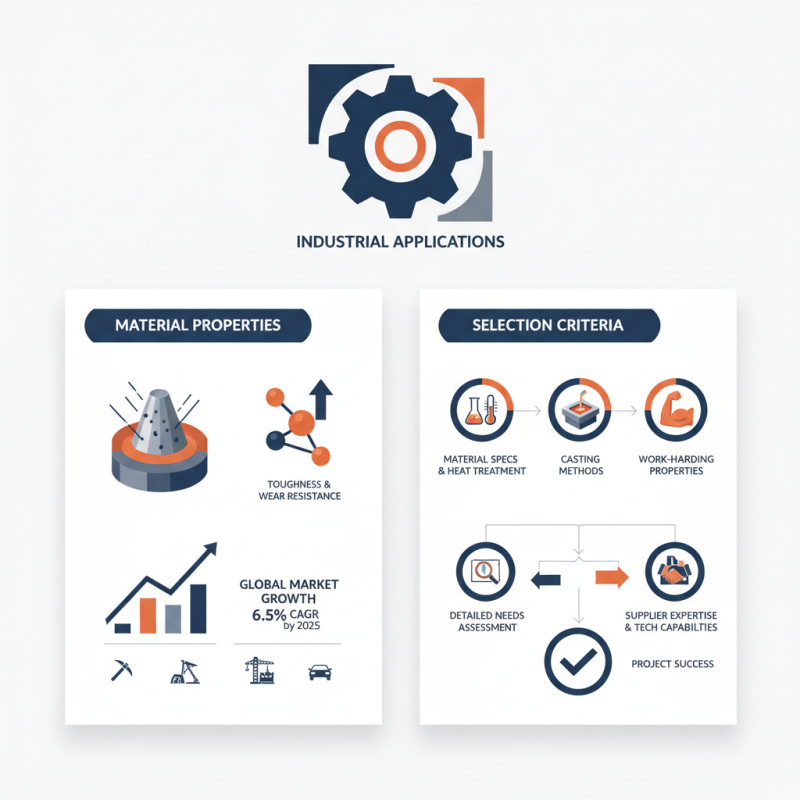
Manganese Steel Castings play a crucial role in various industrial applications. They are known for their exceptional toughness and wear resistance, making them ideal for heavy-duty environments. According to a recent industry report, the global market for manganese steel castings is projected to grow at a compound annual growth rate (CAGR) of 6.5% by 2025. This growth reflects the increasing demand in sectors such as mining, construction, and automotive.
Choosing the right manganese steel castings for your project involves several important considerations. Material specifications, heat treatment processes, and casting methods all impact the performance of the final product. For instance, high manganese alloys often exhibit unique work-hardening properties, which can enhance durability but also introduce complexities in manufacturing. Understanding these traits is essential to avoid mistakes that could lead to premature wear or failure.
Moreover, not all manganese steel castings are created equal. Variations in quality can be subtle yet significant. It's vital to assess the supplier's expertise and technological capabilities. Overlooking these factors might result in subpar outcomes. Therefore, a detailed evaluation of your specific needs and careful supplier selection are essential steps in ensuring project success.
Understanding Manganese Steel and Its Properties
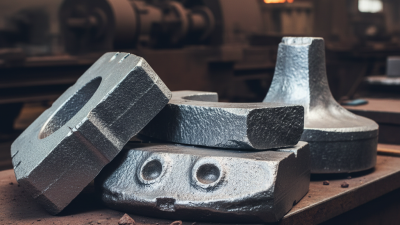
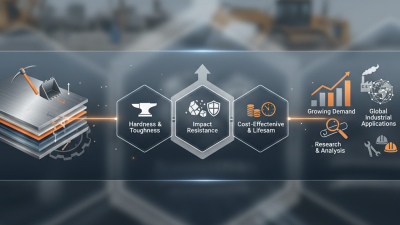
Manganese steel is an alloy known for its impressive properties. It contains about 12-14% manganese, which gives it unique characteristics. This steel is exceptionally hard and tough. Its hardness increases significantly when work-hardened. This means it can withstand heavy impacts and resist abrasion.
Consider the applications of manganese steel castings. These can vary widely, from construction to heavy machinery. The choice of casting can affect performance. A wrong selection can lead to early wear and failures.
Examine your project needs closely. Analyze stress levels and impact factors, as these will guide your decision.
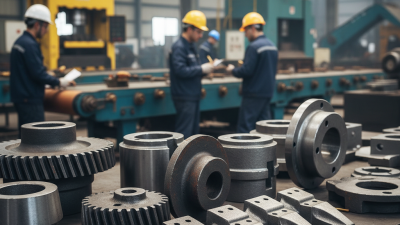
The manufacturing process also matters. Manganese steel castings can sometimes be inconsistent. Not every piece undergoes the same quality checks. Some may contain defects or imperfections. These can affect overall structural integrity. It's vital to have a reliable supplier who understands these challenges.
Testing and validation should be part of your selection process. Manganese steel's properties can be advantageous, but only when chosen wisely.
Identifying Project Requirements for Manganese Steel Castings
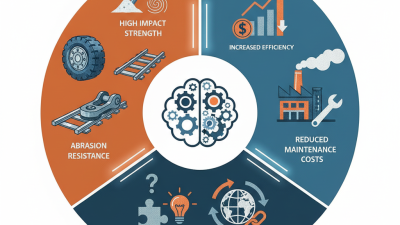
When selecting manganese steel castings, it is crucial to identify specific project requirements. Understanding the application helps to dictate the type and composition needed. Manganese steel is known for its high impact strength and resistance to wear. This is essential for industries like mining or construction.
Different projects demand different properties. For example, the hardness of manganese steel can vary significantly based on alloy content. Typically, manganese content ranges from 12% to 14%. However, for certain applications, higher levels may be necessary. Consulting industry reports reveals that castings with 14% manganese offer exceptional toughness, suited for severe conditions.
**Tips:** Always clarify the project’s environmental conditions. Assessing the load, impact, and abrasion factors can help. Adjustments may be needed based on these evaluations. Regularly review supplier specifications and test data to ensure quality standards.
It’s important to remember that not all manganese steel castings are the same. Some may perform well under specific stress but fail in others. Seek feedback from previous projects to understand potential failures. This insight helps prevent costly mistakes in future endeavors.
Comparison of Manganese Steel Castings Properties
Evaluating Different Grades of Manganese Steel
When evaluating different grades of manganese steel, understanding the properties of each grade is essential. Manganese steel is known for its high impact strength and resistance to abrasion. The commonly used grades include 12-14% manganese and 18% manganese. Each grade has unique characteristics that suit various applications.
Choosing the right grade can be challenging. 12-14% manganese steel is often more ductile but may wear down quickly under high-stress conditions. In contrast, 18% manganese offers superior hardness and is preferred for high-impact environments. Make sure to consider the application context.
Tips: Always assess the operational conditions. Does the application involve constant impact? Use higher grade manganese steel. Take the time to consult with experts. They can guide you to avoid costly mistakes. Remember, the right choice significantly affects performance and longevity. Don't rush; careful evaluation is key to success.
How to Choose the Right Manganese Steel Castings for Your Project? - Evaluating Different Grades of Manganese Steel
| Grade |
Composition |
Hardness Range (HRC) |
Impact Toughness (J @ -40°C) |
Applications |
| Hadfield Steel (Grade 1) |
12-14% Manganese |
Brinell 225-480 |
> 50 J |
Crushers, Pumps, Railroad and Mine Equipment |
| Hadfield Steel (Grade 2) |
14-16% Manganese |
Brinell 300-500 |
> 60 J |
Excavator Teeth, Jaw Crushers |
| High-Carbon Manganese Steel |
18-22% Manganese |
Brinell 400-600 |
> 40 J |
Railway Tie Plates, Crusher Liners |
| Manganese Steel (Low Alloy) |
10-12% Manganese |
Brinell 250-400 |
> 35 J |
General Engineering, Construction Equipment |
Considerations for Manufacturing and Fabrication Processes
Choosing the right manganese steel castings involves careful consideration of manufacturing and fabrication processes. This material is known for its high resilience and toughness, making it ideal for many projects. However, it's essential to tailor the manufacturing techniques to suit specific requirements.
Tip: Always assess the casting method. Whether you use sand casting or investment casting can significantly impact the final product's quality. Each method has unique advantages and limitations. Evaluating the complexity of the design will help determine the best approach. For intricate shapes, investment casting may deliver finer details.
When it comes to fabrication, welding techniques play a crucial role. Manganese steel can be challenging to weld. It has a high carbon content that makes it susceptible to cracking. Using appropriate filler materials is crucial. Some welders find that preheating the metal helps prevent issues. Remember, not all welds provide the same strength.
Tip: Conduct tests on sample welds. Assess their performance before committing to large-scale applications. This process might take extra time, but it will save you from costly failures later. Reflect on the project’s needs, as sometimes, buying pre-formed products may be more efficient than custom solutions.
Assessing Cost, Availability, and Supplier Expertise
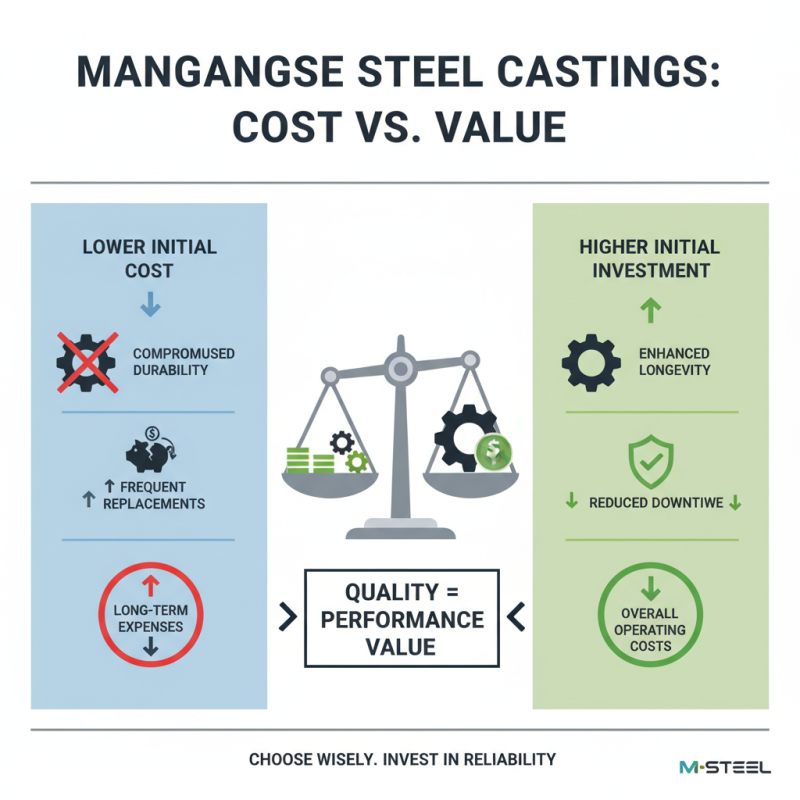
When considering manganese steel castings, cost is a key factor. The price often reflects the quality and performance of the materials. A lower cost may lead to compromised durability. This could result in higher replacement rates and long-term expenses. It's essential to assess your budget against the potential longevity of the castings.
Availability can also influence your choices. Some suppliers may have limited stock, which can delay production timelines. Ensure that the supplier you select can meet your project’s demands. Frequent shortages may point to supply chain issues or unreliable sourcing, leading to frustration. It’s crucial to evaluate the supplier’s inventory management practices.
Supplier expertise plays a significant role in making the right choice. Experienced suppliers are often more knowledgeable about manganese steel properties. They can provide valuable guidance on applications and limitations. However, not all experts are equally reliable. Take time to research testimonials and case studies before making decisions. Balancing cost, availability, and expertise can be challenging, but it is vital for project success.