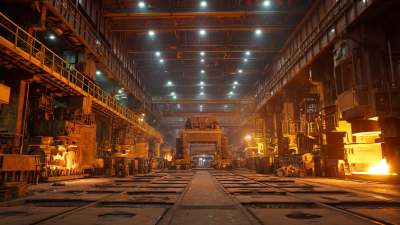
What is Grate Castings Benefits Applications and Manufacturing Processes
Grate castings are a pivotal component in various industrial applications, serving crucial roles in sectors ranging from wastewater treatment to the production of energy. According to a report by
Markets and Markets, the global market for castings is projected to reach USD 240.1 billion by 2025, driven by the increasing demand for
high-quality casting solutions in diverse industries. This underscores the growing significance of grate castings as they enhance efficiency
and durability in critical operations.
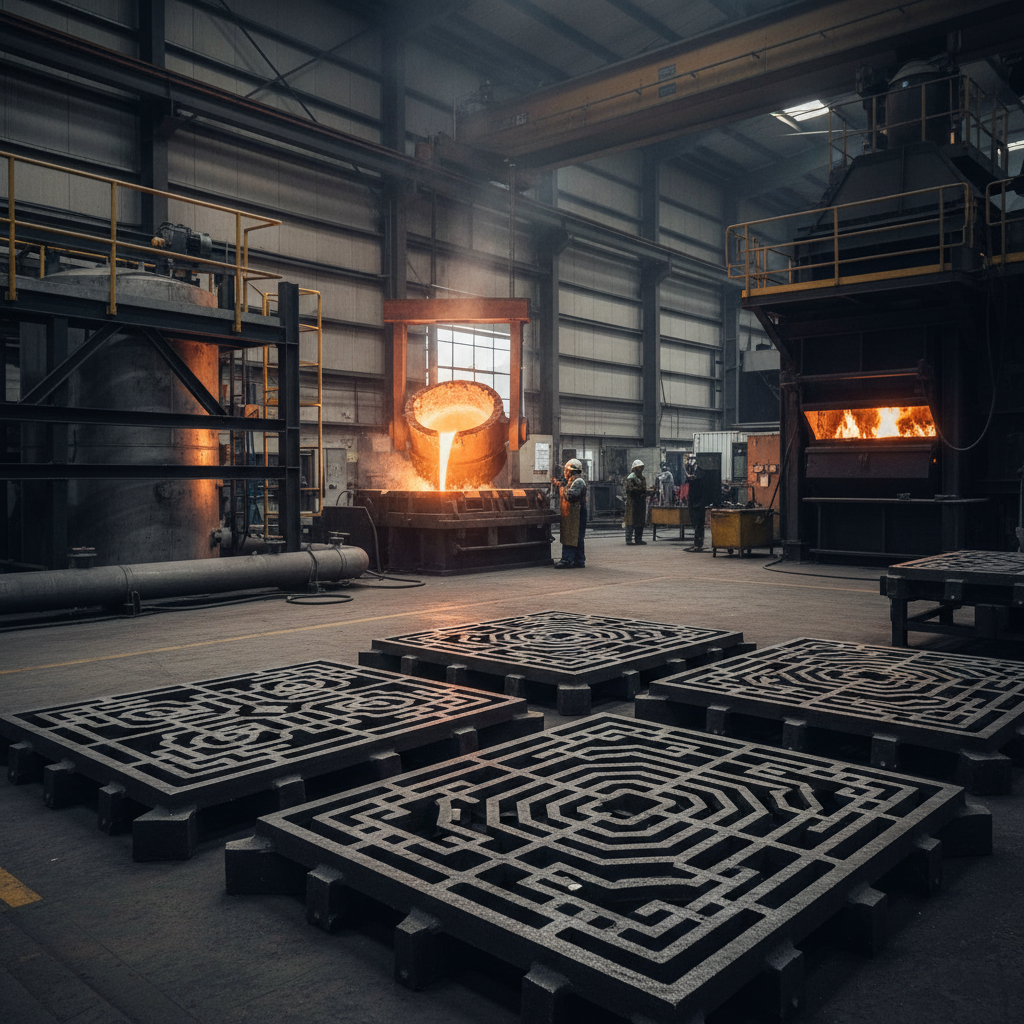
John Smith, an industry expert and CEO of CastTech Innovations, emphasizes the importance of grate castings in modern manufacturing, stating, “Grate castings not only improve
the performance of the equipment but also extend their service life, which is essential for companies aiming to reduce operational costs.”
As the manufacturing processes continue to evolve, embracing advanced techniques and materials is vital for optimizing the benefits of grate castings.
With a multitude of applications and an array of manufacturing processes, understanding the different facets of grate castings positions manufacturers to leverage their advantages effectively
in today's competitive landscape.
Benefits of Grate Castings in Various Industries
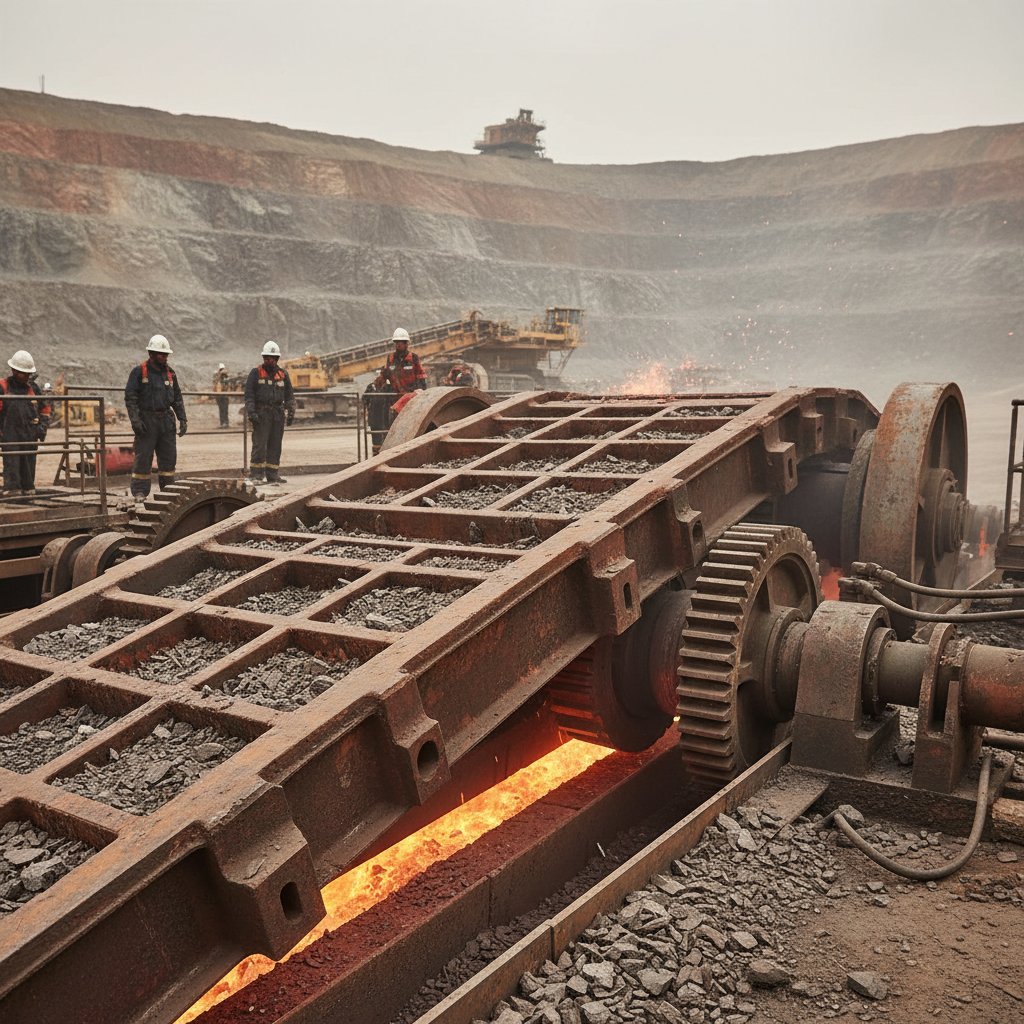
Grate castings have become indispensable across various industries due to their exceptional durability and resistance to wear and tear. In sectors such as mining, energy production, and waste management, these castings play a critical role in enhancing operational efficiency.
According to a report by MarketsandMarkets, the global market for castings is expected to reach $200 billion by 2025, with grate castings specifically driving significant growth due to their ability to withstand high temperatures and corrosive environments. This resilience translates into lower maintenance costs and longer service lives, making them a popular choice among manufacturers.
In the foundry industry, grate castings are particularly beneficial in applications that require heavy-duty components. Their designs facilitate effective material flow, reducing blockages and downtime. A study from Engineering and Technology confirms that implementing grate castings can increase productivity by 15% in manufacturing processes. As more industries recognize the advantages of grate castings, the need for skilled metallurgists and advanced manufacturing techniques has also surged.
Tips: When considering grate castings for your operations, it’s essential to assess the specific environmental conditions they will face. Opt for materials with higher resistance to abrasion and thermal shock to maximize their lifespan. Always consult with manufacturing experts to tailor solutions that meet your unique demands, ensuring optimal performance and cost-efficiency.
Common Applications of Grate Castings in Industrial Settings
Grate castings are becoming increasingly important in various industrial applications due to their durability and versatility. Common applications of grate castings include the production of equipment used in wastewater treatment, where they serve as grates and screens to effectively filter out unwanted materials. Their robust design allows them to withstand harsh environmental conditions, making them ideal for applications in heavy industries and municipal services. According to a recent industry report, the global castings market is expected to grow significantly, driven by the rising demand for customized casting solutions in sectors such as automotive and construction.
Tips: When selecting grate castings for industrial use, it is essential to consider factors such as material compatibility and resistance to corrosion. Regular maintenance can extend the life of your grates and enhance their performance. Additionally, leveraging advanced manufacturing processes can lead to improved efficiency and reduced production costs.
Another common application of grate castings is found in the food processing industry, where they are utilized in equipment designed for grilling and cooking. Their ability to handle high temperatures and resist wear makes them an excellent choice for grill components and cooking surfaces. Recent studies indicate that industries are increasingly adopting innovative materials and processes for grate manufacturing to meet food safety standards while enhancing the grilling experience.
Key Manufacturing Processes for Producing Grate Castings
Grate castings are essential components used across various industries, particularly in industrial furnaces and waste incineration systems. Their manufacturing processes play a crucial role in determining the quality and functionality of the final product. One of the primary methods utilized in the production of grate castings is sand casting, which involves creating a mold from sand and then pouring molten metal into the cavity. This method is favored for its versatility and cost-effectiveness, allowing for the production of complex shapes with high precision.
Another significant process is investment casting, which offers enhanced surface finish and dimensional accuracy for intricate designs. This technique uses a wax pattern that is coated in a ceramic shell, which is then heated to remove the wax and harden the shell. Although more expensive than sand casting, investment casting is ideal for producing small to medium-sized components where detail is paramount. Additionally, the use of advanced technologies such as 3D printing is emerging in grate casting manufacturing, allowing for rapid prototyping and reduced lead times, ultimately enhancing efficiency and customization in the production process.
Material Selection Criteria for Effective Grate Castings
When selecting materials for effective grate castings, several criteria must be considered to ensure optimal performance and durability in industrial applications. The choice of the alloy significantly affects the casting's resistance to wear, corrosion, and thermal stress. According to a report from the Foundry Research Institute, the use of high-strength ductile iron, known for its remarkable tensile strength and fatigue resistance, is recommended for applications involving excessive abrasion and impact, as it can enhance the lifespan of the casting by up to 30% compared to traditional gray cast iron.
In addition to alloy composition, the casting process also plays a critical role in determining the physical properties of the grate. Advanced manufacturing techniques, such as sand casting and investment casting, allow for precise control over the microstructure of the final product. A study published in the Journal of Materials Science indicates that the grain size and porosity can be significantly reduced through optimized cooling rates and controlled solidification processes, leading to a twofold improvement in mechanical performance. Therefore, careful consideration of these material selection criteria and manufacturing processes is vital to maximize the benefits of grate castings in various industrial applications.
Benefits of Grate Castings
Innovations and Future Trends in Grate Casting Technologies
Innovations in grate casting technologies are pivotal in transforming the foundry industry, particularly as we look toward 2025 and beyond. The integration of applied artificial intelligence and advanced computing into the manufacturing processes of grate castings is expected to significantly enhance production efficiency and accuracy. Emerging trends indicate a shift toward automation, allowing for real-time monitoring and adjustment during the casting process, which can drastically reduce waste and improve the quality of the finished products.
Additionally, events like the FOCAST Foundry Salon 2025 highlight the increasing collaboration within the industry to explore these future technologies. The convergence of various tech trends, including generative AI and advanced robotics, promises to revolutionize traditional casting methods, making them more sustainable and adaptable. As the industry prepares for these changes, it is essential for stakeholders to stay informed and engaged with ongoing advancements, ensuring they are well-positioned to leverage the benefits that these innovations will bring to grate casting applications.
What is Grate Castings Benefits Applications and Manufacturing Processes - Innovations and Future Trends in Grate Casting Technologies
| Dimension |
Details |
| Material Types |
Gray Iron, Ductile Iron, Ni-Hard Alloy |
| Benefits |
High Strength, Excellent Wear Resistance, Corrosion Resistance |
| Applications |
Power Plants, Steel Mills, Waste Treatment Facilities |
| Manufacturing Processes |
Sand Casting, Investment Casting, Die Casting |
| Innovations |
3D Printing, Automated Quality Control, Lightweight Designs |
| Future Trends |
Sustainability Practices, Advanced Materials, Smart Manufacturing |