What Is a Rolling Grate and How Does It Work?
A Rolling Grate is a moving combustion surface used in industrial boilers, waste-to-energy systems, and solid-fuel furnaces. It carries fuel through controlled heating zones while allowing air to pass upward. This design supports continuous operation, unlike a fixed grate that requires frequent manual handling. Yet, its performance depends on much more than movement.
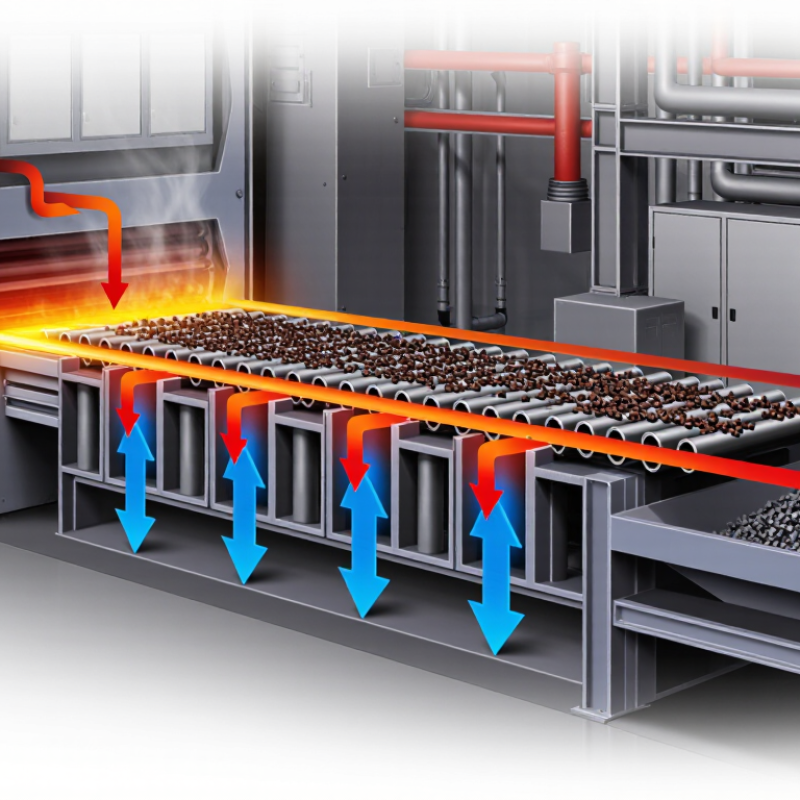
The mechanism is practical but carefully engineered. Rotating grate sections slowly transport fuel from the loading area toward the ash outlet. Primary air enters through openings beneath the grate, while additional air may complete combustion above the fuel bed. Operators monitor grate speed, fuel depth, air pressure, furnace temperature, and ash condition. A well-adjusted system produces steadier heat and fewer unburned particles. Small changes matter. Wet fuel can cool the furnace. Excessive air can carry heat away.
Different Rolling Grate designs use different bar shapes, drive systems, cooling methods, and maintenance routines. Water-cooled components may protect the grate under severe conditions, while air-cooled designs can simplify certain installations. The correct choice depends on fuel type, moisture content, furnace size, and operating goals. This article explains how the grate moves, how combustion develops across its surface, and how ash leaves the system. It also considers common wear points, inspection practices, and operational limitations. Real equipment is rarely perfect. Misalignment, clinker buildup, or uneven fuel feeding can reduce efficiency, even when the design appears sound. Understanding these details helps engineers, operators, and plant owners evaluate performance with greater confidence.
Definition and Main Components of a Rolling Grate
A rolling grate is a moving combustion surface that carries solid fuel through a furnace. It supports burning material while allowing air to pass upward. Unlike a fixed grate, it advances continuously through the chamber. This movement helps fresh fuel enter the combustion zone and moves ash toward discharge.
The main components include grate bars, support frames, drive shafts, rollers, and a geared motor. Grate bars form the heated surface and must resist abrasion and thermal shock. Support beams hold each grate section in position. Shafts and rollers control movement, while the drive system sets the travel speed. Air openings beneath the grate supply primary combustion air. Seals and side plates reduce unwanted air leakage. Sensors can monitor temperature, speed, and pressure.
It moves continuously.
During operation, fuel dries, ignites, burns, and releases ash as the grate travels. Operators adjust speed and airflow to balance combustion quality with fuel variation. Wet material may require slower movement, while dry fuel can burn too quickly. In practice, no rolling grate performs perfectly. Misaligned bars, blocked air passages, or uneven loading can create hot spots. Regular inspection of clearances, bearings, and grate surfaces remains essential. A design may look efficient on paper, yet field conditions often demand careful adjustment. That practical lesson matters.
Material Movement and Combustion on the Grate
What Is a Rolling Grate and How Does It Work?
A rolling grate moves solid fuel through a furnace while combustion develops across several zones. The grate’s bars rotate or advance, carrying material from the feeding area toward ash discharge. Fresh fuel enters with uneven moisture, size, and density. Real feedstock is rarely uniform.
The process usually begins with drying. Heat removes surface moisture before volatile gases are released and burned above the grate. As the material travels, primary air passes upward through openings between the bars. This air supports ignition and controls the burning rate. The European Commission’s Waste Incineration BREF identifies grate speed, air distribution, and furnace temperature as critical operating parameters. It also reports typical combustion temperatures around 850–1,100°C for many thermal treatment systems. These figures are useful, but not universal.
Operators adjust grate speed to match fuel behavior. A slow grate increases residence time, while excessive speed can carry unburned fragments into the ash. Too little air creates carbon monoxide and dark smoke. Too much air can cool the furnace and reduce efficiency. The U.S. Environmental Protection Agency’s AP-42 guidance links incomplete combustion with poor mixing, insufficient temperature, and inadequate residence time. That sounds simple. It is not.
In practice, deposits can block air openings, and wet fuel can create cold pockets. A rolling grate may look mechanically steady, yet combustion remains unstable. Continuous temperature, oxygen, and carbon-monoxide monitoring helps reveal these hidden changes. The best settings often come from measured operation, not assumptions.
Key Applications in Industrial Heating Systems
A rolling grate is a moving combustion floor used in biomass boilers, waste-to-energy plants, and industrial heating systems. The IEA’s Renewables 2023 report projects modern bioenergy demand to grow by 21% between 2023 and 2028. That trend increases demand for dependable solid-fuel combustion equipment.
The grate moves fuel through several thermal zones. Fresh fuel dries near the feed point, then releases volatile gases and burns on hotter grate sections. Under-grate air passes through controlled openings, while secondary air helps complete combustion above the fuel bed. Adjustable speed matters. Too fast, and unburned carbon can leave with the ash. Too slow, and clinker may form.
The U.S. Department of Energy’s Industrial Decarbonization Roadmap identifies industry as using about 24% of global energy. Rolling grates support heat generation where liquid or gaseous fuels are impractical. Common applications include steam production, district heating, process-air heating, and thermal-oil systems. Operators often adjust grate speed, air distribution, and fuel depth together. One setting rarely fits every fuel.
Fuel quality remains a difficult variable. Moist biomass can cool the bed, while mixed waste may create uneven combustion. European Commission waste-incineration guidance emphasizes continuous monitoring of temperature, oxygen, and emissions. Sensors help, but they do not replace experienced inspection. Warped bars, blocked air openings, and irregular ash discharge still cause real operating problems. The equipment is robust, not flawless.
What Is a Rolling Grate and How Does It Work?
A rolling grate continuously moves solid fuel through a furnace while supporting combustion, mixing the fuel, and transporting ash toward discharge. The chart shows representative lower heating value midpoints for fuels commonly handled by moving-grate industrial heating systems. Actual values vary with moisture, composition, and preparation.
Maintenance, Advantages, and Operating Limitations
A rolling grate is a moving combustion surface used to transport solid fuel through a furnace.
Its grate bars rotate or advance in sections, carrying material from the charging point toward the ash discharge. As the fuel travels, adjustable air enters through openings beneath the grate. This supports drying, ignition, combustion, and final burnout. Operators control grate speed and airflow according to fuel moisture, particle size, and furnace temperature.
Maintenance begins with observation.
Short inspections matter. Technicians should check grate bars, drive chains, bearings, seals, and alignment during scheduled shutdowns. Ash can collect beneath the grate and restrict airflow. Uneven wear may also create hot spots or unstable movement. Thermal cycling can crack refractory surfaces and distort metal components. Recording motor current and grate vibration helps identify developing faults before a failure stops production.
A rolling grate can handle changing fuel sizes better than many fixed systems.
Continuous movement also improves mixing and reduces manual handling. However, it is not maintenance-free. Very wet fuel may lower combustion temperature and increase residue. Fine material can block air openings, while oversized objects may damage bars or cause jamming. Emissions still depend on airflow, temperature, residence time, and downstream controls. A practical lesson is easily missed: faster grate movement does not always improve output. Sometimes it simply sends partially burned material into the ash stream. Operators must adjust gradually and verify results through temperature readings, ash inspection, and operating records.