Exploring the Strength of Ductile Iron Fittings: Analyzing Their Impact on Infrastructure Durability
Ductile Iron Fittings play a crucial role in enhancing the durability and longevity of infrastructure systems such as water supply and drainage networks. According to theAmerican Society of Civil Engineers (ASCE), the current state of U.S. infrastructure requires an estimated investment of $2.59 trillion to bring it up to satisfactory conditions, with a significant portion of funds allocated to the replacement and maintenance of aging pipelines and fittings. Ductile iron, known for its superior strength and resistance to corrosion, is recognized as one of the most reliable materials in the construction industry. Reports indicate that structures utilizing ductile iron products demonstrate a 30% improvement in lifespan compared to those made with traditional materials. As we delve deeper into the strength properties of Ductile Iron Fittings, it becomes imperative to understand their impact not only on reducing maintenance costs but also on enhancing the overall resilience of critical infrastructures against environmental stressors.
Impact of Ductile Iron Fittings on Structural Resilience
Ductile iron fittings have emerged as a critical component in enhancing the structural resilience of infrastructure systems. Their unique mechanical properties, characterized by high tensile strength and excellent ductility, allow them to withstand significant stress while maintaining their integrity. This makes them particularly suitable for applications in water and wastewater management, where fluctuations in pressure and temperature can lead to catastrophic failures if materials are inadequate. The ability of ductile iron to absorb energy and deform without breaking is invaluable in protecting essential infrastructure from extreme weather events and seismic activity.
Moreover, the longevity of ductile iron fittings significantly contributes to the overall durability of infrastructure. Unlike traditional materials that may corrode or degrade over time, ductile iron provides a robust solution that minimizes maintenance needs and extends service life. This not only reduces long-term costs for municipalities and industries but also promotes sustainability by decreasing the frequency of replacements and repairs. Therefore, the deployment of ductile iron fittings plays a pivotal role in reinforcing the resilience of urban infrastructure, ensuring that it can better withstand the challenges posed by a changing environment and increasing demand.
Comparative Strength Analysis: Ductile Iron vs. Traditional Materials
Ductile iron has emerged as a superior material for infrastructure applications, especially when compared to traditional materials like cast iron and steel. Its unique composition grants ductile iron exceptional tensile strength and impact resistance. This allows for thinner, lighter fittings without compromising durability, making it an ideal choice for a range of applications, from pipelines to structural components.
 The material’s flexibility under stress further enhances its ability to withstand dynamic load conditions, which are common in infrastructure environments.
In a comparative strength analysis, ductile iron consistently outperforms traditional materials in various metrics, including fatigue resistance and overall longevity. While traditional materials might exhibit brittleness under certain conditions, ductile iron's inherent ductility allows it to absorb energy and deform without breaking. This characteristic is particularly important in infrastructure that experiences heavy traffic or environmental stressors. As cities continue to grow and the demand for resilient infrastructure rises, the advantages of ductile iron fittings make them a critical component in modern engineering solutions.
Long-Term Performance: Ductile Iron Fittings in Various Conditions
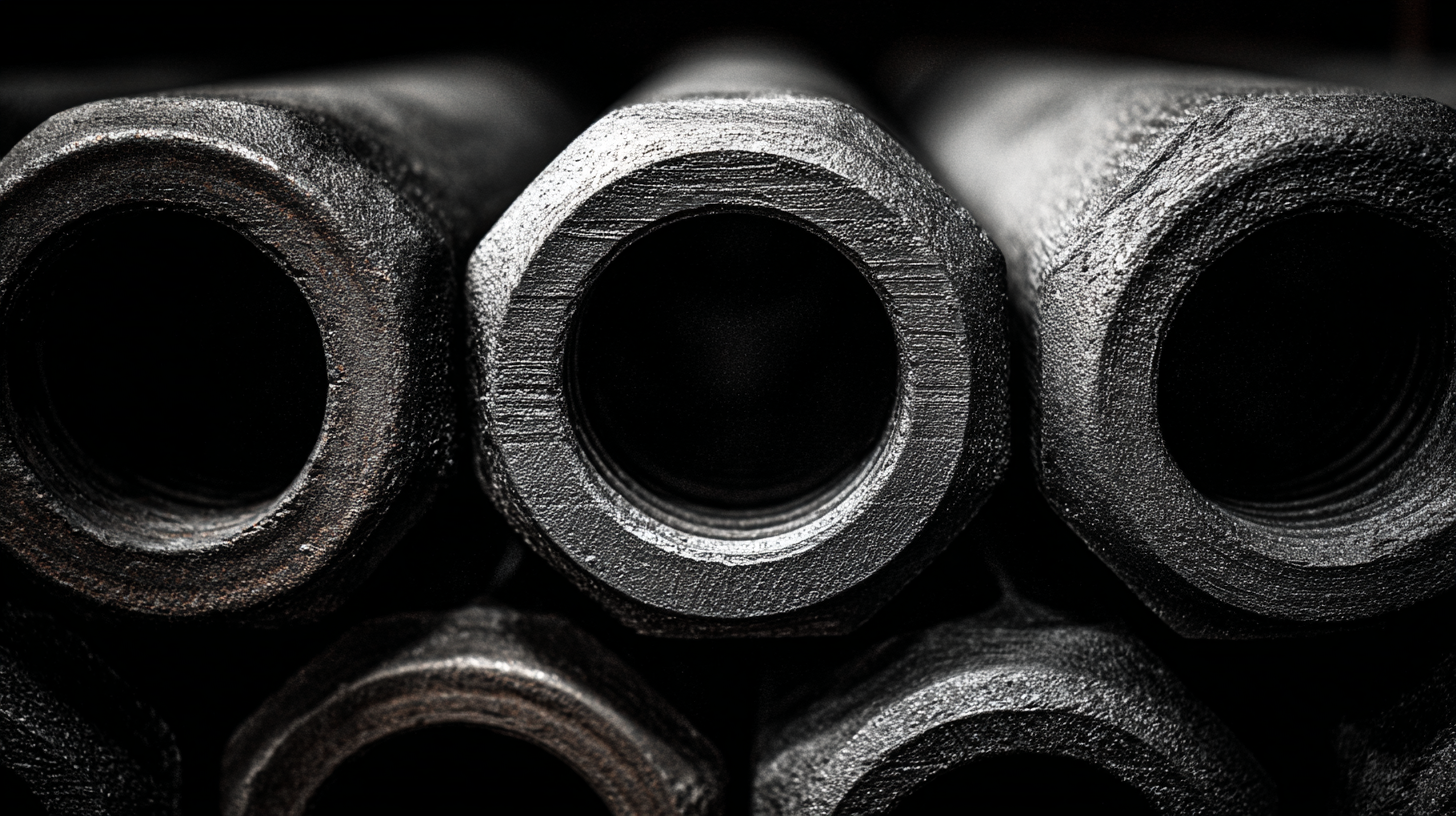 Ductile iron fittings are gaining recognition for their crucial role in enhancing the durability of infrastructure, especially in challenging environments. With the increasing demand for reliable materials, the ductile iron pipe market is projected to grow significantly, with a CAGR of 5.4% for certain segments by 2035. This growth reflects a broader trend as utilities and engineers turn to ductile iron fittings for their superior strength and resistance to pressure loads, essential for ensuring long-term performance in various weather conditions.
In regions like South Texas, where infrastructure is tested by environmental changes, the ability of ductile iron pipes to withstand physical risks such as pipe failures due to aging makes them an indispensable choice. Moreover, as the industry adapts to evolving regulations and standards, the need for durable materials becomes ever more pressing. A shift towards ductile iron solutions not only supports infrastructure resilience but also aligns with the increasing prevalence of smart technologies in pipe repair and maintenance.
Tips: When choosing fittings for your projects, consider the environmental conditions they will face. Ensure to evaluate the long-term performance metrics of the materials under varying pressures and temperatures. Additionally, staying updated on market trends can provide insights into the best materials suited for infrastructure needs.
Cost-Benefit Assessment of Using Ductile Iron in Infrastructure Projects
Ductile iron fittings have gained significant attention in recent years for their impressive strength, flexibility, and resistance to corrosion, making them an ideal choice for various infrastructure projects. When conducting a cost-benefit assessment, studies indicate that while the initial investment in ductile iron products can be higher compared to alternatives like PVC or traditional cast iron, the long-term savings are considerable. For instance, the American Society of Civil Engineers (ASCE) reports that proper use of ductile iron can reduce maintenance costs by up to 25% over a 50-year lifespan due to their durability and longevity.
Tips: When planning your infrastructure projects, consider the total lifecycle costs rather than just the upfront expenses. Investing in high-quality materials like ductile iron can enhance the overall performance and longevity of your projects.
Furthermore, a report by the Ductile Iron Pipe Research Association highlights that ductile iron fittings can withstand extreme environmental conditions, unlike many substitutes. Given their ability to handle high pressures and resist extreme temperatures, the long-term performance of ductile iron in demanding applications can lead to significant reductions in repair and replacement costs, ultimately benefiting project budgets and timelines.
Tips: Evaluate past projects where ductile iron was utilized to gather insights on performance and cost-effectiveness, helping inform your decision-making process.
Impact of Ductile Iron on Infrastructure Durability
This chart illustrates the durability of various types of infrastructure using ductile iron fittings. As shown, Infrastructure Type C demonstrates the highest durability at 60 years, while Infrastructure Type D has the lowest at 40 years. The use of ductile iron significantly contributes to improving the life expectancy of these structures.
Case Studies: Successful Applications of Ductile Iron in Urban Development
Ductile iron fittings have proven to be a game-changer in urban infrastructure projects. Their flexibility and strength make them ideal for applications requiring long-lasting durability under various conditions. One notable case study involves a major metropolitan area that upgraded its water distribution system using ductile iron pipes and fittings. The decision reduced maintenance costs significantly and extended the lifespan of the system, proving the material’s capability in handling high pressures and extreme environmental conditions.
Another successful application can be observed in transportation infrastructure, particularly in the construction of robust storm drainage systems. Municipalities have adopted ductile iron fittings for their resilience against corrosion and mechanical stress, resulting in fewer instances of failure during heavy rainfall. These systems have demonstrated exceptional performance over time, reducing flooding risks and improving public safety. By leveraging the strengths of ductile iron, cities are not only enhancing infrastructure durability but also ensuring sustainable urban development for future generations.