Top Tips for Choosing the Right Stabilizing Roller?
Choosing the right Stabilizing Roller can significantly impact your equipment’s performance. According to John Smith, a renowned expert in the field, "The right roller enhances stability and efficiency." His insights reflect the importance of making informed decisions.
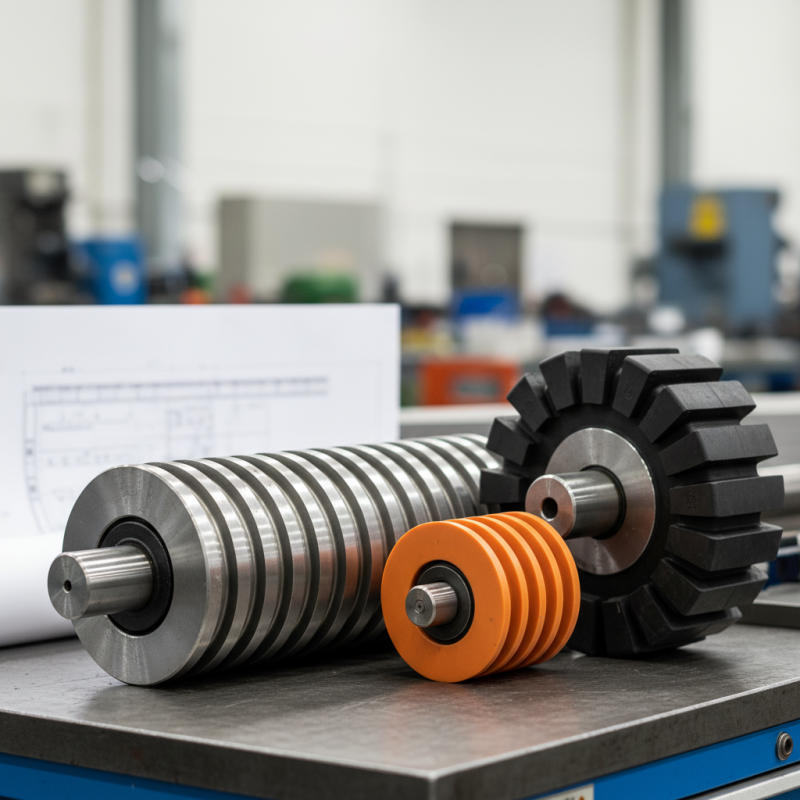
Selecting a Stabilizing Roller isn't just about price; it's about compatibility and quality. You need to consider the specific requirements of your machinery. Look into the materials and design features that ensure durability and effectiveness. A stabilizing roller should perform well under various conditions.
The market is flooded with options, making it crucial to evaluate each choice carefully. Some might seem appealing but could lack the necessary reliability. Trustworthy sources and expert recommendations are vital for making an optimal selection. Inexperienced buyers may overlook important factors, leading to ineffective solutions.
Understanding the Purpose of Stabilizing Rollers
When it comes to stabilizing rollers, understanding their purpose is crucial. They are designed to provide support and balance during various activities, especially in sports and physical therapy. These rollers help maintain alignment and reduce the risk of injuries by stabilizing the body. They can also enhance performance, making them invaluable for athletes.
Choosing the right stabilizing roller involves considering your specific needs. Different activities require different types of support. For instance, if you are focusing on muscle recovery, a firmer roller may be beneficial. However, for beginners, a softer option might be more appropriate. It is also important to reflect on your past experiences. Did a particular roller ever feel uncomfortable or ineffective? This can guide your choice.
Many users overlook the size and shape of rollers. A wider roller provides greater surface area, which can help with stability. On the other hand, a narrower roller can target specific muscles with precision. Pay attention to these details as they significantly impact your workout or rehabilitation experience. Using the right stabilizing roller can make a noticeable difference, but it's essential to choose wisely based on your unique needs.
Identifying the Right Size and Weight Capacity
Choosing the right stabilizing roller is crucial for your projects. When it comes to size, consider the type of work you’re doing. A larger roller may offer more stability but can be difficult to control. If your space is limited, a smaller roller might work better. Assess your workspace before making a decision.
Weight capacity is another important factor. Each roller has a maximum load limit. Exceeding this limit can lead to damage. It’s vital to balance your needs with the roller’s specifications. If you’re unsure, consult with experts in the field. They can provide insight based on your specific challenges.
Don't forget to look closely at your project needs. Sometimes, a roller that seems suitable might not be ideal. Gather feedback from other users. Reflect on what works and what doesn’t. This process can refine your choice, ensuring better results. Choose wisely to enhance your stability and efficiency.
Top Tips for Choosing the Right Stabilizing Roller
When selecting the appropriate stabilizing roller, consider factors such as size and weight capacity. The graph below illustrates the relationship between roller size and weight capacity to help you find the right option for your needs.
Evaluating Material Quality and Durability
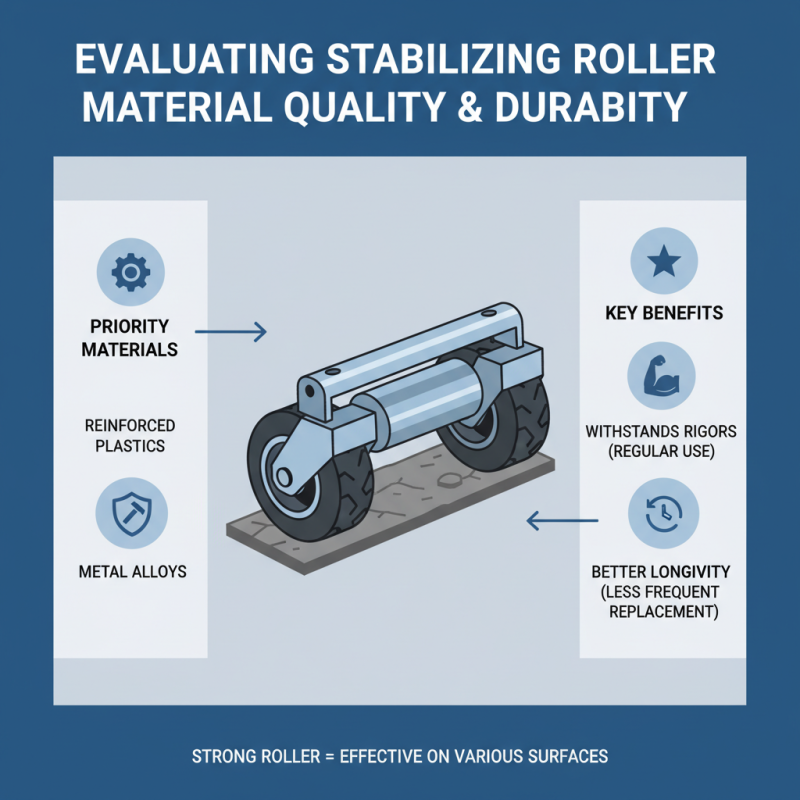
When choosing a stabilizing roller, the quality and durability of materials should be a priority. High-quality materials ensure that the roller can withstand the rigors of regular use. Look for robust options made from reinforced plastics or metal alloys. These materials generally provide better longevity, reducing the need for frequent replacements. A strong roller can handle various surface conditions without losing effectiveness.
Evaluating material quality also involves understanding wear resistance. A roller made from durable materials will resist scratches and abrasions over time. However, not all high-end materials are necessary for every application. Sometimes, a less expensive material may be sufficient for lighter tasks. It’s essential to consider how often you'll use the stabilizing roller and under what conditions.
While aesthetics can be appealing, focus should be on functional aspects. Some rollers might look tough but can fail under pressure. Pay attention to user reviews, as they often reveal insights about real-world performance. If possible, test the roller before purchase. This hands-on approach can highlight durability issues that aren't always visible.
Considering Adjustability and User Comfort
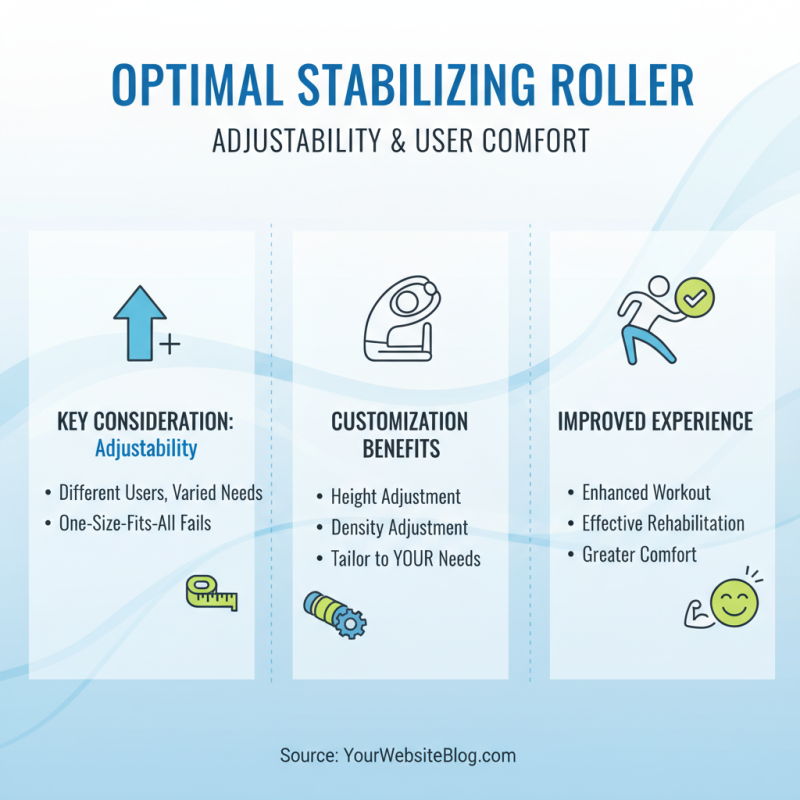
When choosing a stabilizing roller, adjustability should be a primary consideration. Different users have varied needs, and a one-size-fits-all approach often falls short. Look for rollers that offer height and density adjustments. This helps in customizing the roller to suit your specific requirements. Being able to tailor the roller can make a significant difference in your workout or rehabilitation experience.
User comfort is also crucial. Some materials can feel harsh during use, leading to discouragement. Opt for rollers that have softer surfaces, especially if you are new to this kind of equipment. Check the grip as well; it should feel secure without causing discomfort. Many people overlook this aspect, but an uncomfortable experience can diminish your motivation to use the roller consistently.
Seeking feedback from experienced users can provide insights. Engaging with communities or forums allows for real-world reflections. It’s essential to hear about the pros and cons of various options from actual users. Their insights can reveal details you might not consider initially, like durability and performance over longer usage periods. Choosing the right stabilizing roller is not just about features; it’s about ensuring it meets your comfort and adjustment needs to enhance your overall experience.
Comparing Price and Brand Reputation
Choosing the right stabilizing roller requires careful consideration of price and brand reputation. A higher price often suggests better quality. However, this isn't always the case. Some less expensive brands offer excellent performance and durability.
When evaluating brands, look for customer reviews and testimonials. Feedback from real users can reveal hidden strengths or weaknesses. A brand with a solid reputation may provide peace of mind, but it’s essential to dig deeper. Some lesser-known brands can outperform the mainstream names in certain features.
Consider the features you need. Some rollers are designed for specific tasks, which may not be evident at first glance. Researching product specifications can prevent the regret of a poor purchase. It’s important to remember that appearances can be misleading. A popular brand may not always align with your specific requirements. Prioritize functionality over label recognition, as quality often shines through less glamorous options.