Top 10 Abrasion Resistant Steel Types for Global Buyers
Abrasion Resistant Steel is a critical material in various industries. Its unique properties allow for durability and longevity in harsh environments. This type of steel resists wear and tear, making it ideal for agricultural, mining, and construction applications. As buyers seek reliable materials, understanding the top ten types of abrasion resistant steel becomes essential.
Choosing the right kind of steel involves recognizing specific requirements. Each type has unique characteristics, which can affect performance. Factors like hardness, thickness, and impact resistance must be considered. Buyers often face challenges in matching their needs with the right steel grades. This process can be complex and sometimes overwhelming.
In this article, we will explore the leading options available to global buyers. Each steel type will be examined in detail. We aim to provide insights that enhance decision-making. Ultimately, knowing what to look for can lead to more effective material choices. The right abrasion resistant steel can significantly improve operational efficiency and reduce costs.
Types of Abrasion Resistant Steel: An Overview of Global Options
Abrasion resistant steel plays a crucial role in various industries. Its durability is essential for applications like mining, construction, and manufacturing. According to a report by Research and Markets, the global market for abrasion resistant steel is projected to reach $6.5 billion by 2025. This growth is spurred by the increasing demand for durable materials that can withstand harsh conditions.
There are several types of abrasion resistant steel available worldwide. Hardox and AR500 are popular choices due to their high hardness levels. These steels maintain strength while offering substantial resistance to wear. However, choosing the right type can be challenging. Each type has different characteristics that may not suit every application. For instance, while one may excel in impact resistance, it could lag in weldability.
Alloyed steels and dual-phase steels are also gaining traction. Dual-phase steels combine strength and ductility, making them ideal for complex structures. The recent trend emphasizes balancing strength with flexibility. Ultimately, understanding the specific requirements of each project is vital. Mistakes in selection can lead to costly downtimes and safety issues. Ensuring proper specifications and matching the right steel type can minimize these risks.
Key Properties of Abrasion Resistant Steel for Industrial Applications
Abrasion resistant (AR) steel is vital in industries such as mining, construction, and manufacturing. It offers exceptional durability against wear and tear. Key properties of AR steel include high tensile strength and hardness, often measured on the Brinell hardness scale. Typical values range from 400 to 600 HB. This hardness ensures it can withstand harsh conditions and high-impact environments.
Another critical aspect is its impact resistance. A study by the Steel Market Development Institute indicates that AR steel can absorb significant kinetic energy without fracturing. This attribute is essential in heavy machinery exposed to continuous stress. Moreover, the toughness of AR steel enhances its longevity. It reduces replacement frequency, saving costs and downtime in operations.
Despite its advantages, not all AR steels are equal. Variations in composition and manufacturing processes can affect performance. Using the right type for specific applications is crucial. Decisions should involve detailed assessments of specific use cases to avoid potential failures. Understanding these properties can help global buyers make informed choices in selecting suitable abrasion resistant steel.
Top Applications for Abrasion Resistant Steel in Various Industries
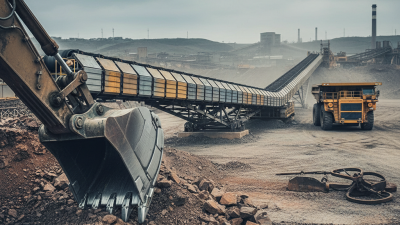
Abrasion resistant steel plays a vital role in many industries. These materials are designed to withstand wear and tear, making them suitable for harsh environments. Common applications include mining equipment, construction machinery, and agricultural tools. In mining, for instance, dragline buckets and shovel teeth require durable materials. This is where abrasion resistant steel shines.
In construction, heavy machinery often faces extreme stress. Roads, bridges, and structures benefit from these sturdy materials. They help in reducing downtime and maintenance costs. Furthermore, agricultural equipment such as plows and tillers must endure soil abrasion. Using high-quality steel leads to better performance and longevity.
Tips: Always assess the specific requirements of your industry. Knowing the right grade of steel can prevent costly mistakes. Consider consulting with professionals to identify suitable options. Testing materials under actual working conditions can also reveal potential weaknesses. Ensure that your choice aligns with the demands of your project. Being informed is essential for making wise decisions.
Comparative Analysis of Popular Abrasion Resistant Steel Grades
When it comes to abrasion resistant steel grades, various options cater to different industrial needs. The most common types include AR400, AR500, and AR600. These grades vary significantly in hardness and wear resistance. For example, AR400 steel has a Brinell hardness of around 400, making it versatile for many applications. In contrast, AR500 offers higher hardness, suitable for extreme wear applications.
The differences in composition and structure also influence performance. AR400 features a carbon content that enhances toughness while providing decent wear resistance. On the other hand, AR500 incorporates more alloying elements, which improves its structural integrity under harsh conditions. This enhancement often results in trade-offs; higher hardness can sometimes lead to less ductility. Understanding these properties is essential for informed decision-making.
Moreover, while these grades are widely used, unsuitable choices can result in premature wear or structural failures. It’s crucial to analyze the operational environment and loading conditions before selecting a steel type. Many users overlook this, leading to costly downtime and repairs. Each project demands a tailored approach, acknowledging the unique challenges and limitations of the selected steel grade.
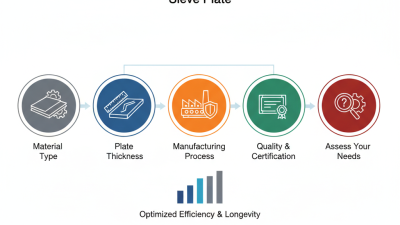
Factors to Consider When Selecting Abrasion Resistant Steel for Projects
When selecting abrasion resistant steel for projects, it’s crucial to assess the specific application requirements. Consider factors such as impact resistance, hardness, and wear characteristics. Different industries have unique demands. For instance, mining equipment requires steel that can withstand significant wear and impact. Understanding these nuances can lead to better material choices.
Another important factor is the environment where the steel will be used. High moisture or chemical exposure can affect performance. Some steels are more susceptible to corrosion. Think about life expectancy. Choosing the wrong steel can lead to premature failure. This could mean unplanned costs and delays.
Budget constraints always play a role. Investing in higher-quality materials can reduce maintenance costs over time. However, cheaper alternatives may seem appealing initially. Assess long-term benefits versus immediate costs. Engaging with experts can provide insights. Take the time to research options for optimal performance and reliability in your projects.