Top 10 Grey Iron Fittings You Need to Know About for Your Projects
In the world of industrial applications, the importance of Grey Iron Fittings cannot be overstated. These versatile components are essential in a variety of projects, ranging from construction to manufacturing, due to their strength and durability. As noted by industry expert John Smith, a well-respected engineer in the field, "Grey Iron Fittings are the backbone of reliable piping systems, ensuring both performance and longevity." This quote emphasizes the critical role these fittings play in maintaining the integrity of various structures and systems.
In this article, we will explore the top 10 Grey Iron Fittings you need to know about for your projects. Understanding the different types, their applications, and the advantages they offer can significantly impact the efficiency and success of your engineering endeavors. With proper knowledge of Grey Iron Fittings, you can make informed decisions that enhance the quality and sustainability of your projects, ultimately leading to better outcomes and reduced costs. Whether you’re a seasoned professional or just beginning your journey in the industry, this guide will provide valuable insights into the essential fittings that should be part of your toolkit.
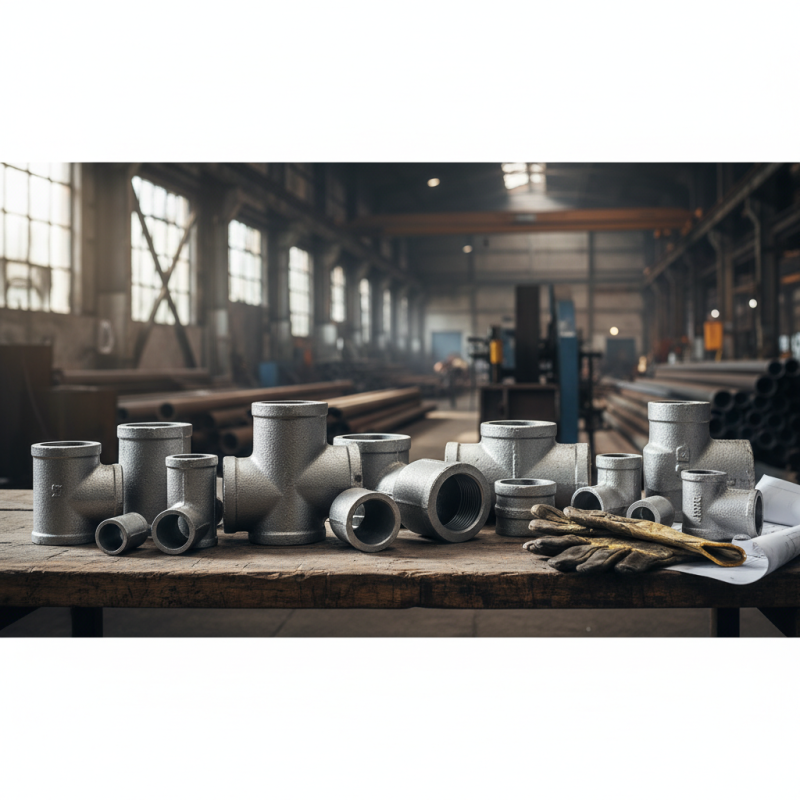
Understanding Grey Iron and Its Applications in Fittings
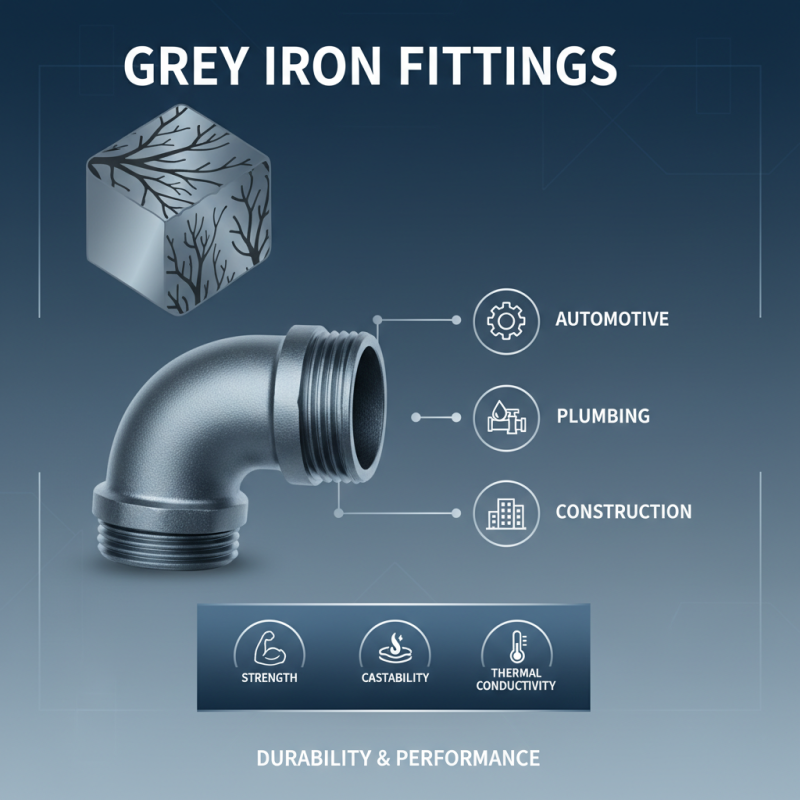
Grey iron, also known as cast iron, is a widely used material for fittings due to its excellent castability, strength, and thermal conductivity. The unique properties of grey iron come from its graphite microstructure, which provides a good balance of tensile strength and ductility. These characteristics make grey iron fittings particularly suitable for applications in plumbing, automotive, and construction, where durability and performance are paramount. The material's ability to withstand considerable stress and its resistance to wear and corrosion further enhance its appeal in various industries.
In addition to its mechanical properties, grey iron is also advantageous for its machinability. The material can be easily shaped and sized to meet specific requirements, allowing for customized fittings that adapt to a variety of uses. Common applications include valves, pipes, elbows, and other fittings that require reliable sealing and structural integrity. Furthermore, grey iron's cost-effectiveness makes it an optimal choice for projects that need affordable yet high-performing components. Overall, understanding the applications and benefits of grey iron is essential for engineers and builders seeking to enhance the quality and efficiency of their projects.
Key Characteristics of Grey Iron That Impact Project Selection
Grey iron, also known as cast iron, is a widely used material in manufacturing fittings, thanks to its unique characteristics that significantly influence project selection. One of its most notable features is its excellent castability, allowing for the creation of complex shapes and designs with high precision. This property makes grey iron fittings ideal for various applications, from plumbing to machinery components. Additionally, the material exhibits good wear resistance and thermal conductivity, which are crucial for projects requiring durable and heat-resistant components.
Another important aspect of grey iron is its tensile strength and ability to absorb vibrations, making it suitable for heavy-duty applications. The material's resistance to corrosion, while not as high as some alternatives, can be enhanced through coatings or treatments, thereby extending the lifespan of fittings exposed to various environments. Understanding these characteristics enables project managers and engineers to select the right grey iron fittings for specific applications, ensuring optimal performance and longevity in their projects.
Top 10 Essential Grey Iron Fittings for Various Industries
Grey iron fittings are widely recognized for their strength and durability, making them essential across various industries. From construction to manufacturing, these fittings serve critical functions, facilitating the safe and efficient transportation of fluids and gases. One of the standout components is the grey iron pipe fitting, known for its excellent casting characteristics and resistance to wear. Its ability to withstand high pressures and temperatures makes it a reliable choice for plumbing systems and high-demand industrial applications.
Moreover, couplings and flanges made from grey iron are indispensable in piping systems. They ensure secure joints while allowing for easy disassembly and maintenance. Their robustness ensures long-term performance, reducing the need for frequent replacements. Additionally, grey iron elbows and tees offer versatility in directing flow and connecting multiple pipes. The excellent machinability of grey iron fittings allows for precise modifications, catering to the specific requirements of different projects. Overall, these fittings are vital assets in achieving efficiency and safety in a multitude of industrial applications.
Top 10 Essential Grey Iron Fittings for Various Industries
Installation Best Practices for Grey Iron Fittings in Construction
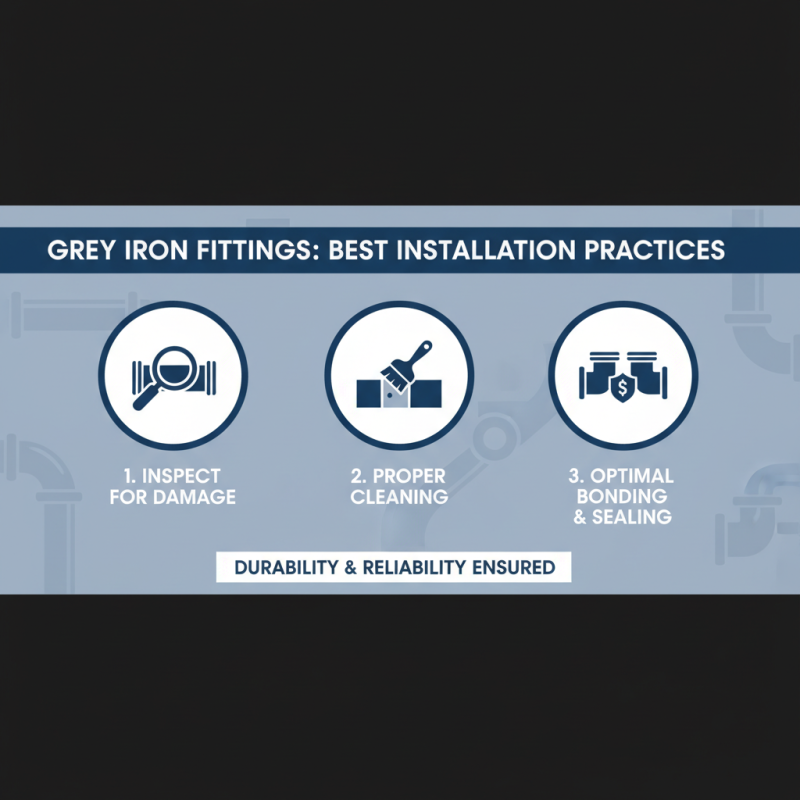
When working with grey iron fittings in construction, adhering to best installation practices is essential to ensure durability and reliability. First and foremost, it is crucial to inspect all fittings thoroughly before installation. Look for any signs of damage or defects that could compromise the integrity of the fittings. Proper cleaning is also vital; ensure that all surfaces are free from debris, rust, or old coatings to facilitate optimal bonding and sealing.
Tips: Always use appropriate tools and clamps to avoid stressing the grey iron fittings during installation. Over-tightening can lead to cracks or failure at the joints, so it's important to apply torque according to the manufacturer's specifications. Additionally, consider temperature effects; grey iron contracts when cooled and expands when heated, which can impact the fit. Allow for thermal movement to prevent excessive stress on the fittings.
Another important aspect is ensuring that the fittings are installed in accordance with the design requirements. Follow dimensional specifications accurately and use proper alignment techniques to avoid misfits. Utilizing adequate sealants and gaskets tailored for grey iron will also provide additional protection against leaks and enhance the overall longevity of the installation. Proper alignment and sealing contribute significantly to the effectiveness of the system being constructed.
Maintenance Tips for Longevity of Grey Iron Fittings in Projects
Grey iron fittings are widely used in various projects due to their strength and durability. However, to ensure their longevity and optimal performance, proper maintenance is essential. Regular inspection should be a standard practice; look for any signs of wear, corrosion, or cracking. Early detection of these issues can prevent more significant problems down the line. Keeping fittings clean is equally important; accumulated debris can lead to corrosion and compromise the structural integrity of the components.
Proper installation is also critical in extending the life of grey iron fittings. Ensure that fittings are aligned correctly and that compatible materials are used to minimize stress and prevent unnecessary wear. Additionally, applying a protective coating can help shield the fittings from environmental factors that can cause deterioration over time. Regular lubrication of movable parts, if applicable, will further enhance their functionality and prevent seizing. By following these maintenance tips, project managers can significantly extend the service life of grey iron fittings, ensuring reliability and efficiency in their applications.