How to Choose the Best Carbon Steel Castings for Your Needs?
Choosing the right Carbon Steel Castings can significantly impact your projects. These castings offer durability, strength, and versatility. However, selecting the best fit requires careful consideration.
Understanding your specific needs is essential. Different applications demand different properties. Castings vary in composition, workability, and cost. Therefore, mistakes in choice may lead to compromised quality and safety. This decision process often causes confusion.
Consulting industry experts helps clarify your options. They provide valuable insights into material grades and processing techniques. Considerations include the casting method and surface treatments. Reflecting on your project's requirements is crucial. The right Carbon Steel Castings can enhance performance and longevity.
Understanding Carbon Steel Castings: Key Characteristics and Benefits
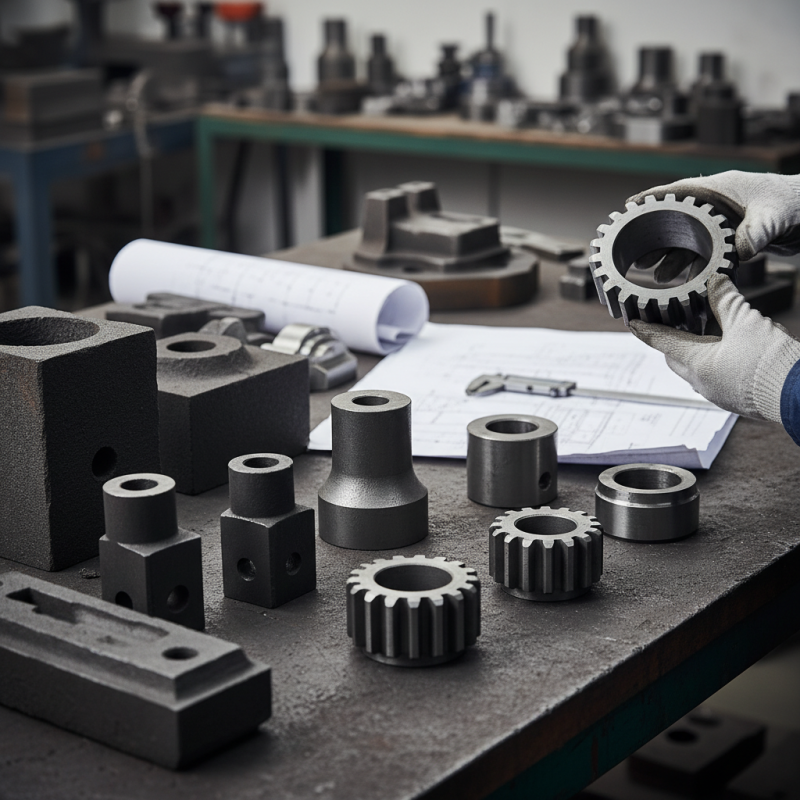
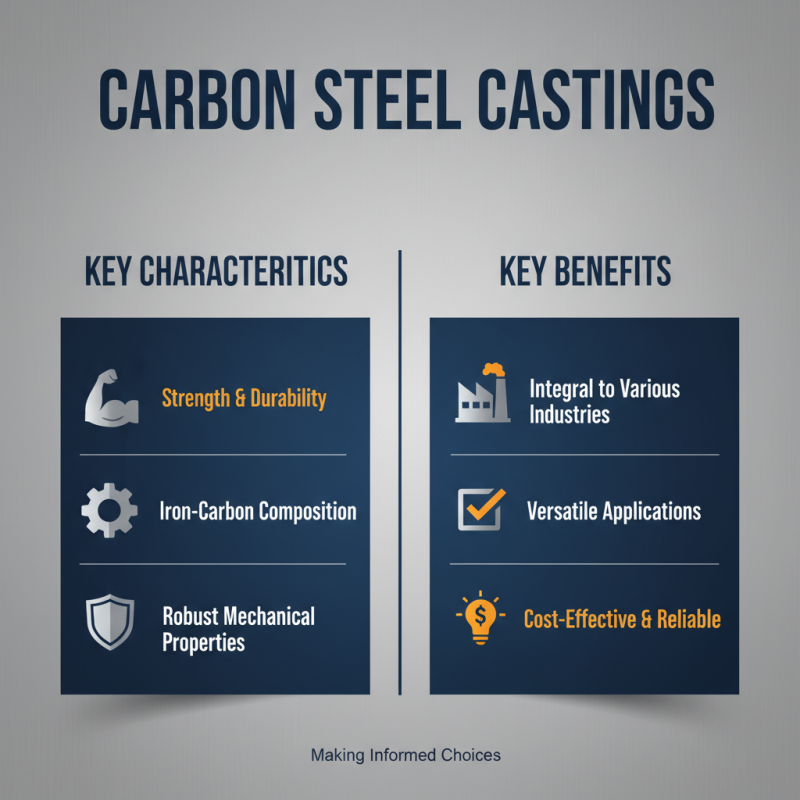
Carbon steel castings are integral to various industries, prized for their strength and durability. These materials are made from iron and carbon. This composition gives them robust mechanical properties. Understanding their characteristics is crucial for making informed choices.
One key benefit of carbon steel castings is their uniform strength. They can withstand heavy loads and extreme conditions. This is why they’re popular in construction and machinery. However, they are not entirely resistant to corrosion. Without proper treatment, they can rust over time. This drawback requires careful consideration during selection.
Another aspect to consider is the cost-effectiveness of carbon steel castings. They generally offer a balance of performance and price. But it’s important to evaluate your specific application needs. Sometimes, paying extra for specialized coatings can lead to better long-term performance. Such investments can prevent future maintenance issues, making your project more efficient.
Factors to Consider When Selecting Carbon Steel Castings for Your Project
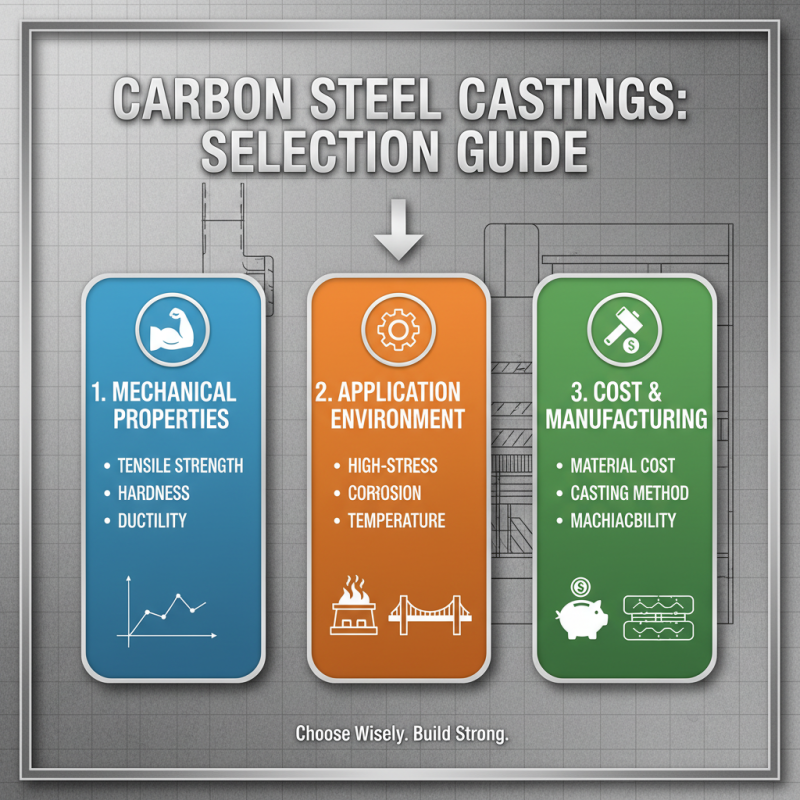
When selecting carbon steel castings, various factors can significantly influence your project. The first aspect to consider is the required mechanical properties. Understanding the tensile strength, hardness, and ductility of the material is crucial. Each application demands different characteristics. For instance, something used in a high-stress environment may need enhanced strength.
Another important factor is the casting method. Various techniques, such as sand casting or investment casting, impact the final product's quality. Different methods yield different surface finishes and tolerances. These variations can affect both the aesthetics and functionality of your castings. Also, consider the complexity of your design. Intricate components may require more sophisticated processes, potentially increasing costs and lead times.
Lastly, the intended environment for your application plays a significant role. Is it exposed to corrosion? Will it be hot or cold? These conditions can determine the type of coating or treatment necessary to ensure durability. Reflect on these aspects as you make your selection. Remember, it's a blend of many considerations, and sometimes the obvious choice may not be the best one.
Types of Carbon Steel Castings and Their Applications in Different Industries
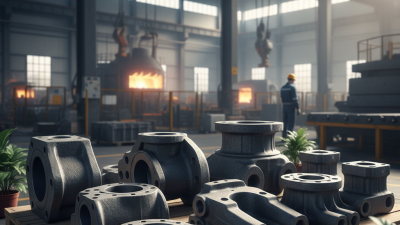
When exploring carbon steel castings, understanding their types and applications is crucial. These castings can be broadly classified into several categories. For example, ductile iron castings are known for their tensile strength and ductility. They are widely used in automotive components and industrial machinery. On the other hand, gray iron castings provide excellent machinability, making them ideal for engine blocks and pipes.
Another important type is low-carbon steel castings, which are favored for their malleability and weldability. Industries such as construction and agriculture frequently utilize these castings. Additionally, high-carbon steel castings are recognized for their hardness and wear resistance, often found in tools and heavy machinery.
However, selecting the right type requires careful consideration. Each material has specific properties that may not suit every application. This understanding can prevent costly errors down the road. Evaluate the performance standards needed and consider factors like corrosion resistance and load-bearing capacity. Not all options will meet your needs. It’s important to reflect on these aspects when making decisions.
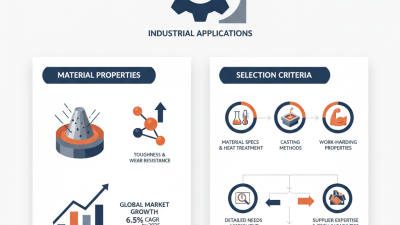
Types of Carbon Steel Castings and Their Applications
Evaluating Quality: Standards and Testing Methods for Carbon Steel Castings
When evaluating the quality of carbon steel castings, understanding standards and testing methods is crucial. Different industries have unique requirements for strength, durability, and resistance to wear. This means that not all castings are created equal. A reliable casting will meet specific industry standards, such as ASTM or ISO guidelines. Confirming compliance can significantly impact performance and safety in your applications.
Testing methods are equally important. Methods like ultrasonic testing and X-ray inspection help identify internal flaws. A comprehensive approach often includes mechanical testing, assessing tensile strength and hardness. In addition, visual inspections play a key role in detecting surface imperfections. However, relying solely on testing can lead to oversight. Not all flaws are visible or detectable, which can result in unexpected failures.
One must also consider how testing reports are articulated. Clear documentation provides confidence but may not always capture the full picture. Proper evaluation of carbon steel castings should include both the technical data and practical experiences from previous applications. Such reflections can lead to better-informed decisions.
Cost vs. Performance: Making Informed Decisions on Carbon Steel Castings
When it comes to carbon steel castings, balancing cost and performance is crucial. Many factors impact the final choice, including the specific application and environment. For instance, if your project requires high strength and durability, the higher upfront cost of better quality castings might be justified. Poor choices can lead to failures, which are often more expensive in the long run.
Cost-effective carbon steel castings might seem attractive initially. However, inferior materials often result in increased maintenance and shorter lifespans. This could be a false economy. Weighing the expected lifespan against the initial purchase price is essential. Are you willing to sacrifice durability for a lower initial investment? Such questions demand careful consideration.
In some cases, manufacturers may advertise lower prices, but the quality might not meet expectations. Always seek credible sources when assessing performance. Consulting with experts in material science can provide valuable insights. Carbon steel castings should match your needs and budget while ensuring reliability in performance. Think about these factors before making a final decision, as the right choice is not always the most obvious one.
How to Choose the Best Carbon Steel Castings for Your Needs? - Cost vs. Performance: Making Informed Decisions on Carbon Steel Castings
| Casting Type |
Cost ($/kg) |
Tensile Strength (MPa) |
Ductility (%) |
Hardness (Rockwell) |
Heat Treatment |
| Carbon Steel 40 |
2.50 |
400 |
15 |
RC 25 |
Normalized |
| Carbon Steel 50 |
3.00 |
500 |
12 |
RC 28 |
Quenched and Tempered |
| Alloyed Carbon Steel 60 |
3.50 |
600 |
10 |
RC 30 |
Austempered |
| Carbon Steel 70 |
4.00 |
700 |
8 |
RC 32 |
Tempered |