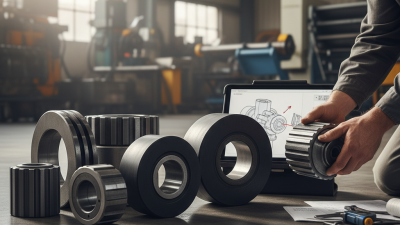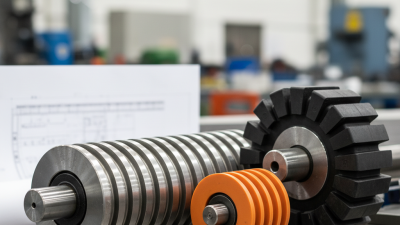
Choosing the best Stabilizing Roller for 2026 is not a matter of picking the heaviest model or the newest design. The right choice depends on the material, operating speed, load, and alignment demands of a specific line. A roller that runs smoothly with a narrow film may behave differently beneath a wide, tensioned web. Small details matter.
For transparency, this introduction uses a clearly fictional composite specialist, Maya Chen, rather than attributing an unverified quotation to a real engineer. Her practical principle is: “Match the roller to the process, then verify its performance under real operating conditions.” It is a useful starting point, not a substitute for product data, application testing, or qualified engineering advice.
This guide compares the factors buyers can check: runout, surface finish, bearing arrangement, material compatibility, and maintenance access. It also considers how installation space and changing production requirements may affect long-term value. Look for measurable specifications and clear support from the manufacturer. Beware of broad performance promises without test conditions. There is no universal winner. A sensible shortlist should fit your line, your material, and your operating targets—and some uncertainty may remain until the roller is tested in service.
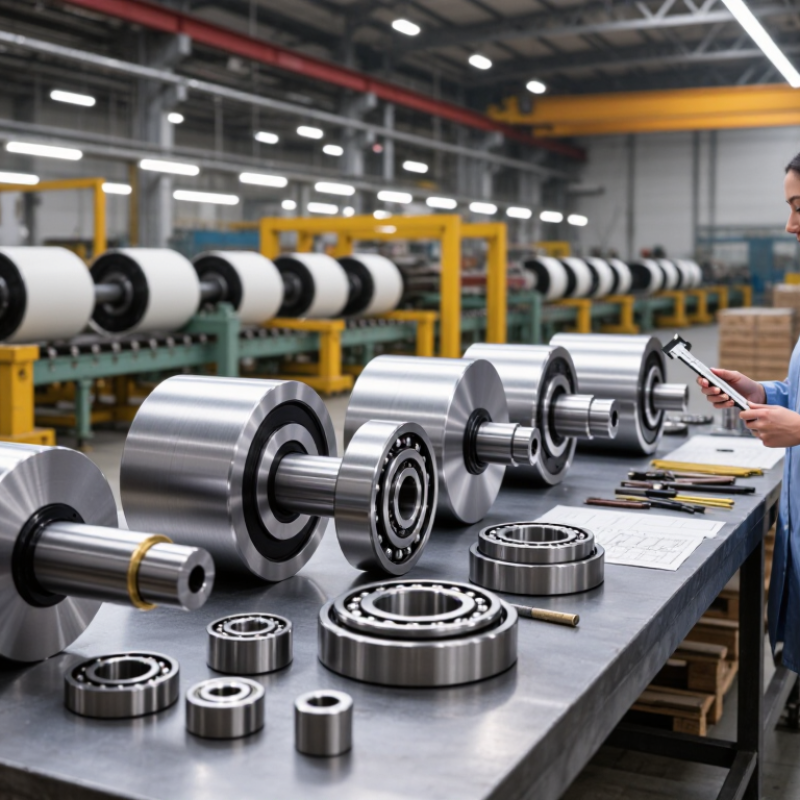
What Is the Best Stabilizing Roller for 2026?
A stabilizing roller works well only when it suits the conveyor’s actual duty. Start with the load, including material weight and any impact where items transfer onto the belt. Check the roller’s rated capacity and shaft support; a roller that turns freely without load may still deflect under a full belt. Speed matters, too. Higher belt speeds can increase vibration and heat, so confirm that the roller is rated for the operating range. Small details count.
Match the roller face to the belt width and the conveyor frame. Too little contact can encourage uneven support, while poor alignment may contribute to belt tracking problems. Then assess the environment: fine dust can collect around seals, moisture can promote corrosion, and temperature swings may affect components. Use site measurements and equipment specifications rather than choosing by appearance alone. I would still verify the selection under normal operating conditions; calculations do not capture every transfer impact or maintenance habit.
Tips: Record load, speed, belt width, and temperature before comparing options. Inspect alignment and bearing condition during routine checks. If the belt still wanders, review the whole conveyor setup—not just the roller. It is easy to blame one part too quickly.

Define the duty first: belt width, belt speed, load carried per roller, and operating environment.
How to read it: Each bubble is an illustrative conveyor duty point. The horizontal axis shows belt width, the vertical axis shows belt speed, bubble size represents approximate load per roller, and color identifies the environment. These examples are for initial comparison, not universal roller ratings. Confirm actual roller loading, impact, material, alignment, and environmental conditions with the conveyor design.
Compare Roller Designs Using CEMA Conveyor Load-Rating Guidance
The best stabilizing roller is the one that controls belt wander without exceeding its rated load. CEMA’s Belt Conveyors for Bulk Materials, 7th edition, provides a practical basis for comparing idlers: consider belt width, speed, material load, idler spacing, and bearing life. A self-aligning design can respond to belt drift, while a fixed guide roller offers simpler, localized restraint. Neither choice compensates for poor alignment or uneven loading. Small details matter.
Compare each roller’s published load rating with the calculated load on its rolls, including the belt and conveyed material. Check the rating at the actual operating speed and expected service conditions, not just the catalog’s headline figure. CEMA guidance is useful here, but a rating is not a promise of trouble-free operation. Dust, impact, seized bearings, and misaligned frames can change real-world performance. Measure the frame. Inspect the belt path.
For a transfer point with frequent impact, a robust roller arrangement may be more suitable than a light-duty guide. On a long, steady run, correctly spaced training idlers may control tracking with less side contact. I would resist choosing by roller diameter alone; it is an easy shortcut, and sometimes the wrong one. Compare the manufacturer’s load data against the CEMA-based design calculation, then verify tracking under the conveyor’s actual load.
A stabilizing roller may appear simple, but its bearing works through every rotation, vibration, and change in load. For 2026, compare rollers by their operating conditions, not appearance alone. ISO 281 provides a useful bearing-life benchmark: L10 is the life that 90% of a sufficiently large group of identical bearings are expected to reach or exceed under stated conditions.
L10 is commonly calculated as L10 = (C/P)p million revolutions, where C is the basic dynamic load rating, P is the equivalent dynamic bearing load, and p depends on bearing type. For roller bearings, p is commonly 10/3; verify the bearing design and calculation method. That matters. The result is statistical, not a warranty for an individual roller. A stabilizing roller carrying uneven material, for example, may experience load peaks that a simple average misses.
Check speed, alignment, lubrication, temperature, and contamination before trusting the estimate. Dust near a conveyor seal or a slightly skewed shaft can shorten service life. Real floors vary. This estimate is not a promise; machines rarely hold perfectly steady conditions.
Treat L10 as a comparison tool, then review maintenance records and actual duty cycles. A neat calculation can still be wrong when its inputs are optimistic.
A good stabilizing roller is not simply the one with the lowest catalog runout. Measure total indicated runout with a dial indicator at the working surface, then check again after installation. A roller that looks true on a bench can wobble once its bearings are tightened or its frame is misaligned. Small errors matter. Record the measurement, load, and speed so later checks have a useful reference.
Sealing should match the actual exposure. Fine dust can work past a poor seal, while frequent washdown calls for better protection against water and cleaning residue. Labyrinth seals reduce contact and drag, but they are not a substitute for a watertight design. Contact seals may protect more effectively, though they can add heat at higher speeds. Check the manufacturer’s stated limits against operating temperature, speed, and contamination; a seal that works in a clean room may fail on a damp line.
Material choice depends on what the roller meets each day. Stainless steel can help resist corrosion, while a coated or engineered surface may suit abrasive contact. Compare surface hardness, wear resistance, and thermal expansion with the surrounding equipment. Not always. I would also inspect for uneven wear after a short trial run, because paper specifications cannot capture every alignment problem. That judgment takes care. If temperatures swing or washdown is irregular, document those conditions before selecting a roller.
For 2026, the best stabilizing roller is not automatically the longest-lasting or cheapest option. Match it to load, speed, dust, moisture, and cleaning routines. In service, uneven edge wear, rising vibration, or a warm bearing can signal trouble before a stoppage. Choose a roller with documented load limits, replaceable wear parts, and seals suited to the actual environment. Ask for test data under comparable conditions; a catalog rating alone can hide important differences. Small details matter.
Energy use is easy to overlook because each roller draws little power. Across a long conveyor and many operating hours, bearing drag, misalignment, and excess roller mass can add avoidable load. Compare power demand at the same speed and load, then include cleaning, lubrication, and inspection time. Total cost of ownership should include purchase price, installation labor, energy, planned replacement, and downtime risk. A cheaper unit may win on paper, yet lose after repeated stoppages. Service-life estimates depend on real material flow and maintenance quality, so leave room for uncertainty. A small pilot on the harshest line can reveal noise, buildup, and wear patterns before wider replacement.