How to Choose the Best White Iron Castings for Your Needs?
Choosing the best White Iron Castings for your projects can significantly impact product performance. With various options available, navigating through them may feel overwhelming. Understanding the specifics of White Iron Castings is crucial. These materials are known for their hardness and wear resistance. They are often used in applications like industrial machinery, mining, and agriculture.
Quality matters when selecting White Iron Castings. Every casting company has unique processes and standards that affect the final product. Reliable suppliers ensure consistent quality by using advanced manufacturing techniques. However, not every company meets high standards, which can lead to poor-performing castings and added costs. It's important to evaluate suppliers carefully. Look for experience and customer reviews.
Consider the specific needs of your application. Different alloys and compositions of White Iron Castings serve various purposes. While more features may seem ideal, too many can complicate your choice. Reflect on your requirements. Often, a simpler solution may be more effective. Balancing performance, durability, and cost will lead to better results. Prioritize what matters most to avoid common pitfalls in the selection process.

Factors to Consider When Choosing White Iron Castings
When considering white iron castings, several factors come into play. The chemical composition is crucial. White iron typically contains high carbon and silicon, affecting its hardness and brittleness. Opt for a composition suited to your specific application. For instance, casting for wear resistance requires a different blend than that for impact resistance.
The intended use dictates the tensile strength required. Applications in mining or heavy machinery often need higher strength levels. Evaluate the expected operating conditions. Exposure to extreme temperatures or corrosive environments can impact longevity. It's vital to choose an alloy that can withstand these conditions.
Sourcing is another important aspect. Look for reliable suppliers with a track record in white iron castings. They should provide transparency in their production processes and quality control measures. This can ensure the castings meet industry standards. Always ask for samples or test results. It’s a proactive step to verify what you’re getting matches your requirements.
Types of White Iron Castings and Their Applications
White iron castings are known for their hardness and wear resistance. They serve various industrial applications due to their distinct characteristics. There are several types of white iron castings, each tailored to meet specific needs. Understanding these types is crucial for making informed choices.
High-chromium white iron is one of the most common forms. It offers exceptional wear resistance, making it ideal for mining and milling operations. The high chromium content allows it to withstand harsh conditions. Another type is low-chromium white iron, which provides a balance between toughness and wear resistance. It is often used in applications where some level of ductility is required, like in grinding and crushing equipment.
Chilled iron is another category worth noting. This type has a hard outer shell and a softer core, enhancing its strength under load. It is commonly used in applications where impact resistance is critical. However, while these options are reliable, they may not always be suitable for every situation. Factors such as cost, environment, and specific performance requirements must be assessed carefully. Overlooking these factors can lead to failures or increased operational costs.
Types of White Iron Castings and Their Applications
Quality Standards and Certifications for White Iron Castings
When selecting white iron castings, quality standards and certifications play a crucial role. These benchmarks ensure that the products meet specific performance and durability requirements. Look for certificates such as ISO 9001, which signifies a robust quality management system. This assures you that the manufacturing processes are well-regulated and monitored.
Another essential certification is ASTM. This standard covers various properties and tests, confirming that the castings can withstand stress and wear. It reflects the metallurgical knowledge of the producer. Always ask for documentation. Understanding the importance of standards can reveal possible shortcomings in production.
Tips: Research the manufacturer's history. A company with years of experience often reflects reliability. Don't overlook customer reviews; they can provide insight into real-world usability. Evaluate the terms of warranty offered. It indicates the manufacturer's confidence in their iron castings, but reflect on whether these terms align with your expectations.
Cost Analysis: Budgeting for White Iron Castings
When budgeting for white iron castings, several factors come into play. The price of raw materials can fluctuate, impacting overall costs. You need to consider the complexity of the design as well. More intricate shapes usually require higher machining and production costs. This adds to the final price tag.
Additionally, quantity matters. Ordering larger volumes often reduces the per-unit cost, but initial investment can be high. You may also face additional costs for shipping and handling. Understanding these expenses helps in budgeting effectively.
It's essential to consider the total lifecycle cost, not just the purchase price. Maintenance and durability play crucial roles. Cheaper castings might seem enticing but could lead to higher long-term costs due to replacements or repairs. Aim for balance between upfront cost and overall value.
Supplier Selection: Finding Reliable White Iron Casting Manufacturers
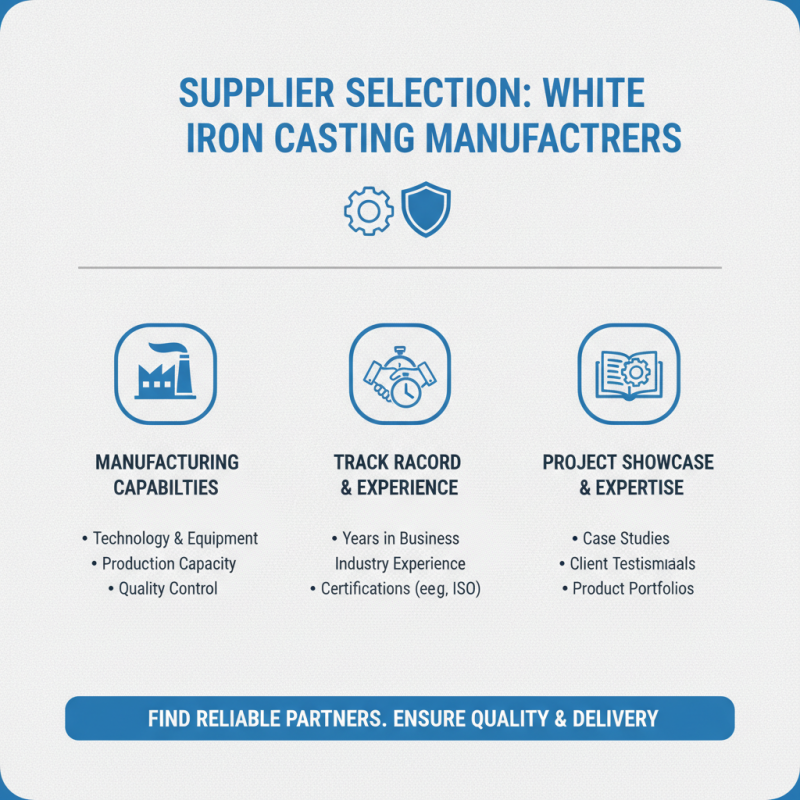
When selecting white iron casting suppliers, reliability is crucial. Start by reviewing their manufacturing capabilities. A dependable manufacturer should have a solid track record and experience within the industry. Look for companies that showcase their expertise through case studies or project examples. These details can help confirm their abilities to meet your specific needs.
Another important factor is communication. A reliable supplier should be responsive and easy to work with. Ask about their processes, timelines, and quality control measures. Ideally, they should be transparent about any potential challenges. This openness indicates a commitment to building long-term relationships, yet it’s also a chance for reflection on any obstacles that may arise.
Additionally, consider customer reviews and testimonials. They offer valuable insights into a supplier's reliability and quality. However, take these with a grain of caution; individual experiences may vary significantly. Gathering perspectives helps in understanding common strengths or weaknesses. It’s essential to weigh this information with your specific requirements before making a final choice.