Why Are Castings For Casting Essential in Manufacturing Processes?
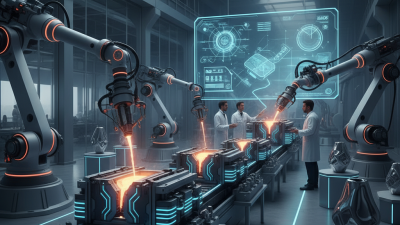
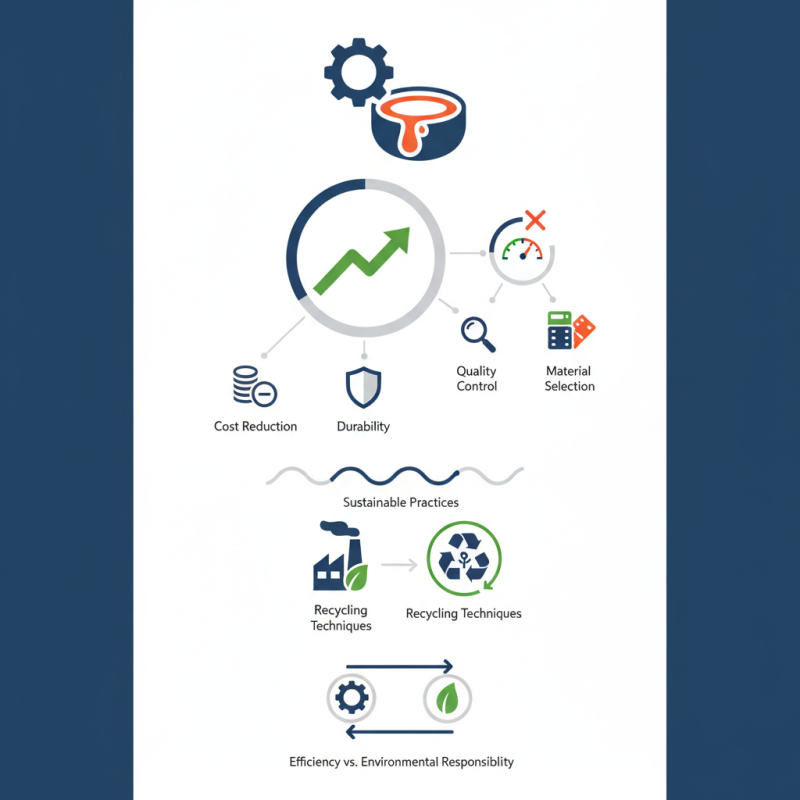
In today's manufacturing landscape, "Castings For Casting" play a pivotal role across various industries. According to a comprehensive report by MarketsandMarkets, the global metal casting market is projected to reach USD 206.42 billion by 2026, illustrating the growing demand for precision components. Castings contribute significantly to reducing production costs while enhancing product durability and performance.
However, the reliance on castings is not without challenges. Quality control and material selection remain critical areas for improvement. In some studies, nearly 20% of castings fail to meet required specifications, highlighting the need for more stringent manufacturing processes. The process of creating castings for casting involves intricate techniques, often requiring expert knowledge and cutting-edge technology.
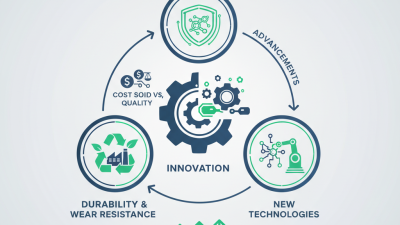
Moreover, as manufacturers seek to adopt sustainable practices, the industry faces ongoing pressures to innovate. Improvements in recycling techniques and material sustainability are essential for future growth. Achieving a balance between efficiency and environmental responsibility will be crucial as the sector evolves. The future of castings for casting remains promising yet complex, necessitating ongoing evaluation and adaptation by industry stakeholders.
Importance of Castings in Modern Manufacturing Processes
In modern manufacturing, castings play a crucial role. These elements are vital for creating complex shapes that metal parts require. Castings ensure consistency and precision in production. They allow for intricate designs that might be impossible with other processes. This capability is essential in industries like automotive and aerospace. Engineers increasingly rely on castings for their reliability and strength.
Many manufacturers face challenges with castings. Quality control is a recurring issue. Defects in casting can lead to costly delays. Effective communication between designers and manufacturers is necessary to mitigate these risks. Adopting new technologies can enhance casting quality and efficiency. However, not all manufacturers prioritize these advancements.
Sustainability is another concern. Castings can consume significant energy and resources. Companies are exploring eco-friendly materials and processes. This shift is not only needed but essential for long-term viability. Balancing innovation with responsibility remains a challenge for many in the sector. The importance of castings in manufacturing goes beyond mere functionality; it encompasses environmental impact and ethical considerations.
Importance of Castings in Modern Manufacturing Processes
Key Advantages of Using Castings in Industrial Production
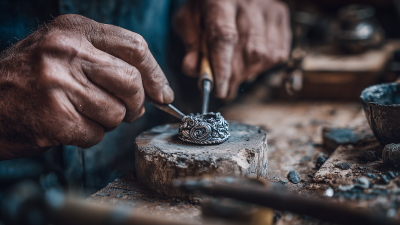
Castings have become a cornerstone in industrial production, offering unique advantages that enhance manufacturing efficiency. One of their primary benefits is versatility. Foundry casting methods can create complex shapes with high precision. This allows manufacturers to produce intricate parts that would be impossible or costly with other techniques. For example, components like engine blocks or pipes can be made to exact specifications.
Durability is another key advantage of using castings. The materials used can withstand high stress and extreme environments. This quality makes castings ideal for critical applications, such as aerospace or automotive industries. However, the casting process is not without challenges. Quality control can be tricky, and imperfections in the mold can lead to defects. Understanding these issues is vital for manufacturers wanting to achieve high standards.
Cost-effectiveness plays a significant role as well. Bulk production of castings can reduce costs compared to traditional machining methods. But the initial setup for casting can be expensive and time-consuming. Manufacturers need to weigh these factors carefully. Failures in early production stages can lead to wasted resources and delays. This makes ongoing evaluation and improvement crucial in the casting process.
Why Are Castings For Casting Essential in Manufacturing Processes? - Key Advantages of Using Castings in Industrial Production
| Advantage |
Description |
Application Examples |
| Complex Geometries |
Castings allow for intricate shapes to be formed with high precision. |
Automotive Engine Blocks |
| Cost Efficiency |
Reduced material waste and lower production costs through bulk manufacturing. |
Heavy Machinery Components |
| Material Versatility |
Wide range of materials can be used including metals, alloys, and composites. |
Marine Applications |
| High Strength |
Castings can achieve great tensile and compressive strength depending on the material. |
Construction Equipment |
| Integration of Features |
Casting can incorporate multiple features into a single piece, reducing assembly time. |
Industrial Pumps |
Statistical Insights: Casting Quality and Production Efficiency
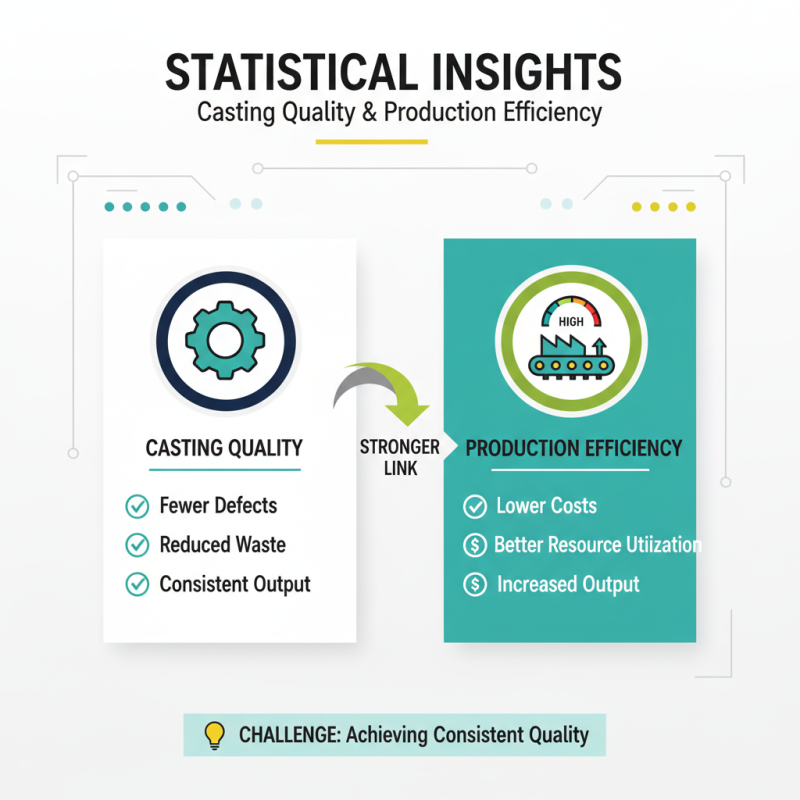
In manufacturing, casting quality directly influences production efficiency. Statistical insights reveal a strong link between these metrics. High-quality castings result in fewer defects and reduced waste. This means lower production costs and better resource utilization. However, achieving consistent quality can be challenging.
Every step in the casting process impacts the final product. Factors like temperature, alloy composition, and mold precision can lead to variations. Small errors can accumulate, leading to significant quality issues. Manufacturers must monitor these variables closely. Real-time data can provide insights, but interpretation requires expertise.
Investing in quality control systems pays off. Advanced statistical methods can identify trends and areas for improvement. However, many manufacturers still rely on outdated processes. This reliance can create inefficiencies and hinder competitiveness. Continuous training and process optimization are necessary for long-term success.
Casting Methods: A Comparative Analysis of Techniques and Uses
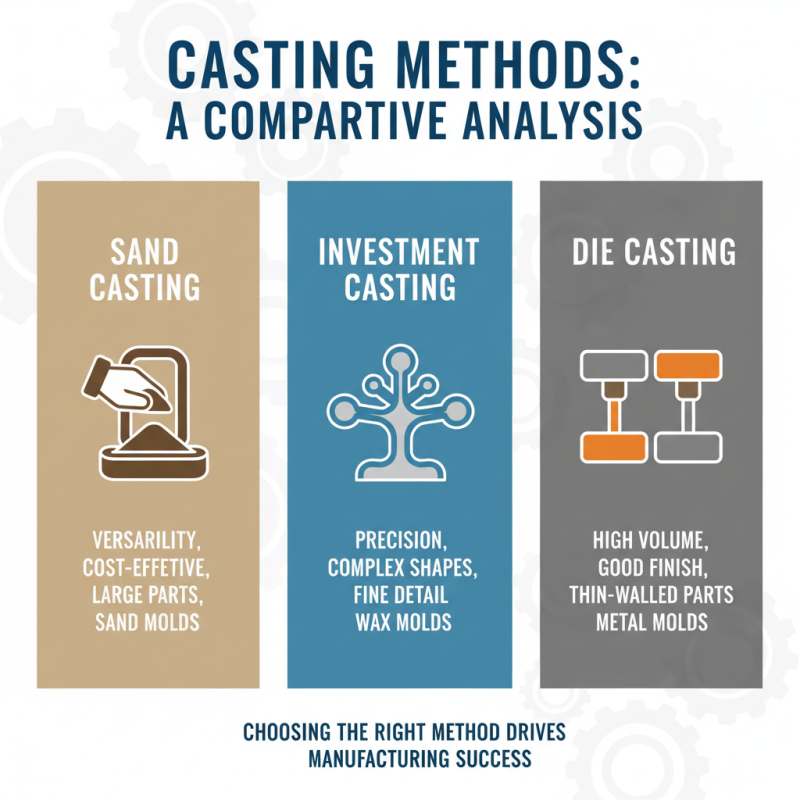
Casting methods play a crucial role in manufacturing. Each technique has unique strengths and applications. Some of the most common methods include sand casting, investment casting, and die casting. Sand casting is widely used due to its versatility and cost-effectiveness. It involves creating molds from sand and is suitable for large parts.
Investment casting, or lost-wax casting, ensures high dimensional accuracy and fine details. It is commonly used in industries requiring precision. This method excels in producing intricate parts such as turbine blades. Die casting, on the other hand, is ideal for high-volume production. It creates parts with smooth finishes, ensuring consistency in mass production.
Each method presents challenges. Sand casting may produce less durable products. Investment casting can be expensive for large production runs. Die casting requires careful temperature control to avoid defects. Understanding these nuances helps manufacturers choose the right technique for their needs. Choosing the wrong method can lead to wasted materials and increased costs.
Sustainability and Cost-Effectiveness of Casting in Manufacturing
Casting has emerged as a pivotal method in manufacturing, highlighting its
sustainability and cost-effectiveness. By repurposing metal scrap,
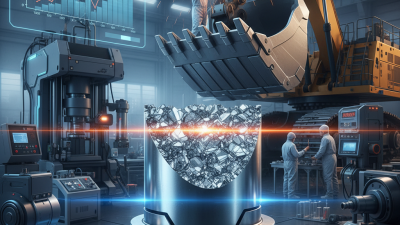
the casting process significantly reduces waste. Metals like aluminum
and steel can be melted down and reused, leading to lower resource
consumption. This closed-loop approach not only conserves raw materials but also minimizes environmental impact.
Cost-effectiveness is another vital aspect of casting. The initial setup costs might seem high, but the long-term savings
are notable. Casting allows for the mass production of parts, lowering the per-unit price. However, there are challenges.
Variations in quality can arise due to inconsistencies in melting or pouring. Manufacturers must remain vigilant and
proactive in addressing these issues, as they can affect product durability.
Moreover, advances in technology have improved casting methods, yet questions about reliability persist. For instance,
using new materials or techniques may yield unexpected results. Therefore, it is crucial for manufacturers to continually
assess their processes. Focusing on sustainability and cost, while
remaining open to improvement, can drive the future of efficient manufacturing.